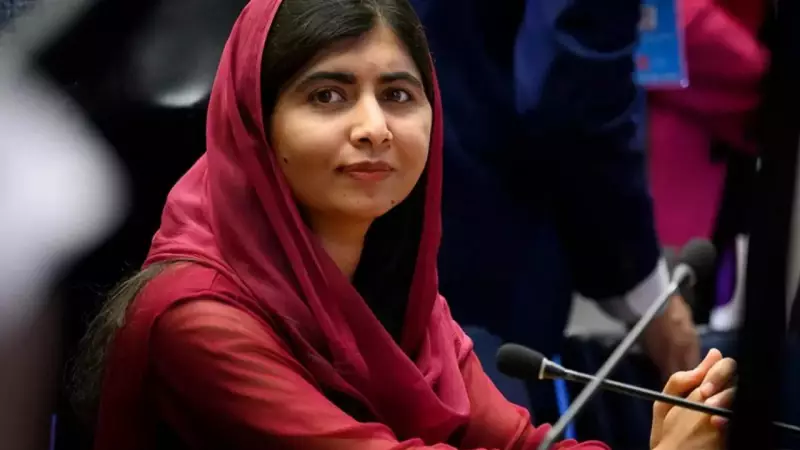
In a world where academic success is often portrayed as a fiercely individual race, the words of Nobel laureate Malala Yousafzai offer a profound and necessary shift in perspective. Her insights, born from extraordinary personal experience, reframe achievement as a collective endeavour rooted in knowledge and solidarity. For students navigating the pressures of exams and future planning, her message provides a vital blueprint for meaningful success.
From Personal Struggle to Universal Wisdom
Malala Yousafzai's advocacy for education was forged in the crucible of adversity, not privilege. Her own schooling was brutally interrupted by violence, making her journey to becoming a global icon for learning a testament to resilience. When she speaks, her words carry the weight of lived reality. The quote in focus moves beyond motivational theory to present knowledge and unity as practical tools for empowerment, especially when facing uncertain circumstances. This grounding in real-world struggle makes her advice uniquely credible and urgent for learners everywhere.
Five Transformative Lessons for Student Life
Deconstructing Malala's guidance reveals several core principles that can reshape a student's approach to education and personal growth.

1. Knowledge as an Active Instrument for Change
Malala famously described knowledge as a weapon—not for causing harm, but for forging agency. This challenges the passive model of learning where students merely attend classes, memorise content, and sit for exams. Instead, it positions education as an active tool for questioning, critical thinking, and articulate self-expression. When students internalise this view, their studies transform from a compulsory task into a purposeful pursuit that equips them to tackle challenges both inside and outside the classroom.
2. Success is a Collaborative Journey
The quote powerfully links goal achievement to unity and togetherness, directly countering the myth of the solitary achiever. In practical student life, progress is frequently a shared effort: study groups deepen understanding, peer discussions clarify doubts, and support from teachers and family provides essential encouragement. Acknowledging this interconnected network does not diminish individual effort; it contextualises it. Students who appreciate collaboration often develop better resilience to manage pressure and bounce back from setbacks.
3. Unity as a Shield Against Adversity
Malala refers to unity as a protective shield, a concept critically important during periods of academic stress or perceived failure. Isolation can magnify anxiety and self-doubt, while shared experiences lighten the emotional load. Openly discussing struggles, learning alongside peers, and recognising that challenges are a common part of the educational journey can prevent disengagement and burnout. Togetherness makes obstacles more manageable, fostering a supportive environment where students can thrive.
4. The Broader Social Purpose of Education
While students are rightly taught that education is a personal investment leading to better opportunities, Malala's perspective highlights its wider societal role. Knowledge shapes communities and influences systems. Educated individuals contribute to informed public conversations, drive positive change, and make responsible choices. Understanding this expanded purpose helps students connect their learning to a sense of civic responsibility and awareness of the world around them, moving beyond mere personal gain.
5. Empowerment Starts with Personal Choice
Perhaps the most actionable lesson is the quote's opening call: "let us empower ourselves." This places the initial agency firmly in the hands of the learner. Students may not control institutional policies or resource allocation, but they can choose their level of engagement, curiosity, and solidarity. The decision to learn actively, participate in community, and stand with others is itself a foundational act of empowerment. This choice may not yield immediate results, but it systematically builds capacity and character over time.

A Timeless Guide for Modern Learners
As students across India prepare for exams and plan their futures, from CBSE board schedules to competitive exams, the pressure to succeed individually can be overwhelming. Malala Yousafzai's wisdom, updated and shared as recently as December 31, 2025, serves as a crucial reminder. True achievement is not a solitary sprint but a collective march, powered by the active use of knowledge and the strength found in unity. By embracing these lessons, students can pursue goals that are not only personally fulfilling but also contribute to a more informed and compassionate world.