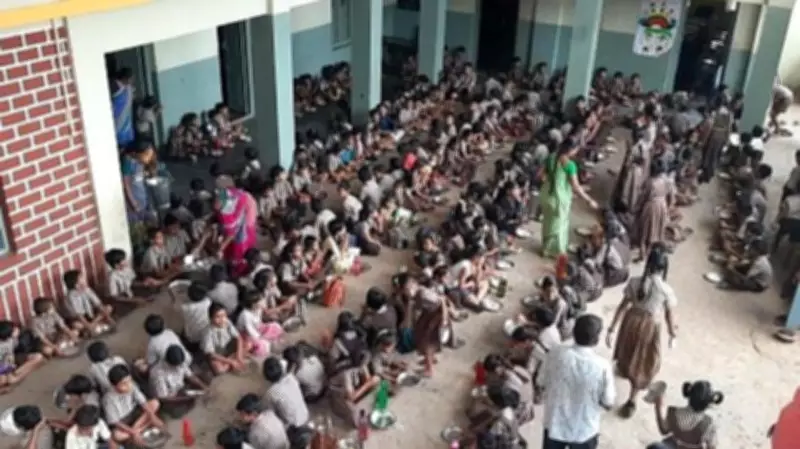
Karnataka Government to Launch Midday Meals for Pre-University Students
The Karnataka government has announced a significant expansion of its midday meal program, with plans to include Pre-University (PU) students in state-run and aided colleges starting from the next academic year. This initiative aims to enhance nutritional support for older students, though it has sparked discussions about implementation challenges.
Financial and Logistical Hurdles Highlighted
According to reports, the Finance Department has expressed concerns about the substantial costs associated with extending the midday meal scheme to PU students across all eligible institutions. The department flagged the enormous financial burden this expansion would place on state resources, raising questions about budget allocation and sustainability.
In response, the Chief Minister acknowledged these financial worries but emphasized additional logistical problems. Key issues include the varying timings of colleges, which complicate meal distribution schedules, and the need for infrastructure to prepare and serve food to a larger student population.

Details of the Proposed Scheme
The midday meal program, traditionally focused on schoolchildren, will now cover PU students in government and aided colleges. This move is part of broader efforts to improve educational outcomes and student well-being in Karnataka.
Key aspects of the plan include:- Implementation from the next academic year, with specific dates to be announced.
- Coverage for all PU students in state-run and aided colleges.
- Focus on addressing nutritional gaps among older students.
- Collaboration between education and finance departments to manage costs.
Officials are working to resolve the timing issues, as college schedules often differ from school hours, making meal coordination more complex. The government is exploring solutions such as flexible serving times or on-campus kitchen facilities to ensure efficient delivery.
Broader Implications for Education and Health
This expansion reflects a growing recognition of the importance of nutrition in supporting academic performance and overall health for students beyond the school level. By providing midday meals, the government aims to reduce dropout rates, improve concentration in classes, and promote equitable access to education.
However, the success of this initiative will depend on overcoming the financial and logistical barriers identified by departments. Stakeholders, including college administrations and student groups, are expected to be involved in planning to tailor the scheme to local needs.
As Karnataka moves forward with this plan, it sets a precedent for other states considering similar extensions of midday meal programs. The outcome could influence national policies on student nutrition and educational support systems.