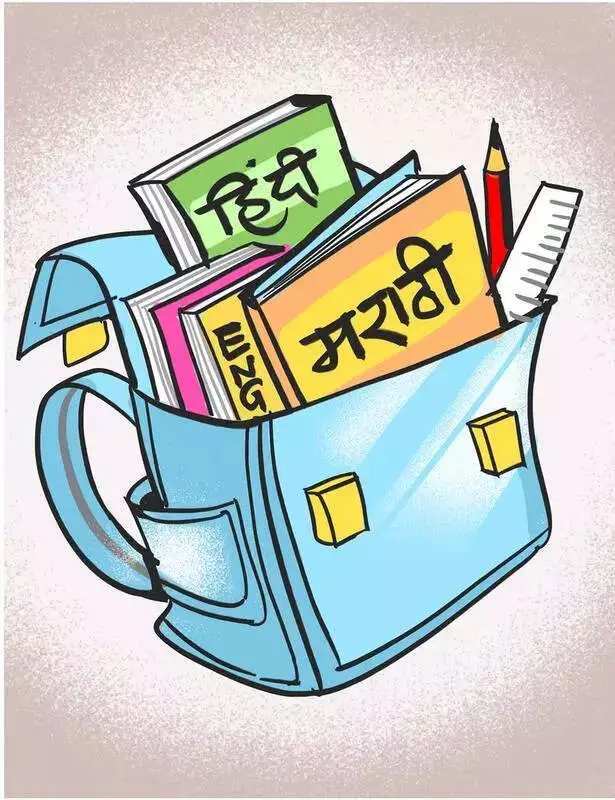
The Maharashtra government has announced a second extension for the committee tasked with determining the implementation of the three-language formula in schools across the state. This decision comes as the panel requires additional time to thoroughly evaluate the extensive feedback received from various stakeholders.
Background and Formation of the Committee
The committee was originally established in June 2025 following significant public backlash against a controversial proposal to make Hindi compulsory from Class 1. That initiative, introduced in April 2025, faced sharp criticism from education experts and civil society groups, leading to its eventual withdrawal. In response to the uproar, the government formed this panel to develop a more balanced and acceptable approach to language education in schools.
Committee Leadership and Progress
Chaired by renowned educationist Dr. Narendra Jadhav, the committee has been actively engaged in public consultations with a wide range of stakeholders, including parents, teachers, linguistic experts, and community representatives. These consultations aimed to gather diverse perspectives on how best to implement the three-language formula while respecting regional linguistic diversity and educational needs.

Extension Details and Rationale
According to the latest government resolution, the committee's deadline for submitting its final report has been extended by one month, moving from January 5 to February 5, 2026. This marks the second extension granted to the panel, following an initial extension provided in December 2025.
The primary reason cited for this latest extension is the need for more time to carefully evaluate the responses received through the state's official portal. The committee has received a substantial volume of submissions from across Maharashtra, requiring thorough examination and analysis to ensure that all viewpoints are properly considered in the final recommendations.
Current Status and Next Steps
The committee has already completed its phase of public consultations and is now focused on the critical task of scrutinizing the online responses and written representations submitted by various stakeholders. This meticulous review process is essential for developing comprehensive and well-informed recommendations that reflect the diverse linguistic landscape of Maharashtra.
Once this evaluation process is complete, the committee is expected to compile its findings and submit formal recommendations to the state government. These recommendations will likely address key aspects of language education policy, including:
- The appropriate implementation framework for the three-language formula
- Considerations for regional language preservation and promotion
- Practical aspects of curriculum integration and teacher training
- Mechanisms for ongoing review and adjustment of language policies
The extended timeline allows the committee to ensure that its final report is thorough, evidence-based, and responsive to the concerns raised during the consultation process. This careful approach reflects the government's commitment to developing language education policies that balance national integration objectives with respect for linguistic diversity and educational quality.