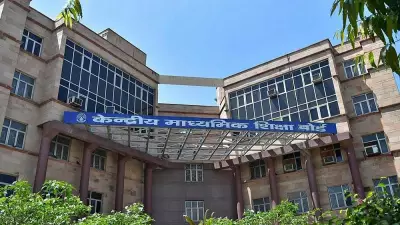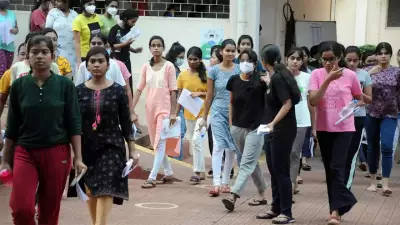
Teachers in Mumbai are raising their voices against a controversial new directive that compels them to shift focus from educating children to managing stray dogs on school premises. The order, which designates educators as "nodal officers" for canine control, has sparked significant backlash from teaching unions who argue it diverts them from their core responsibilities and unfairly burdens them with civic duties.
Court Order Implementation Sparks Outcry
The directive originates from the office of the Education Inspector (North), Mustaq Shaikh, who cites a 2005 suo motu court directive as the basis for the move. However, the immediate trigger for the current protest is linked to a more recent Supreme Court order from November 2025. That order directed authorities to ensure the removal of stray dogs from public areas, including schools, hospitals, and transport hubs.
Teacher unions, however, contend that the judicial directives are being selectively interpreted to impose non-academic workloads on an already overstretched profession. The Maharashtra Progressive Teachers' Association (MPTA) has been at the forefront of this protest.

Unions Decry "Affront to Dignity" of Educators
In a strongly-worded letter addressed to the Chief Minister, Deputy Chief Minister, Education Minister, and senior education department officials, the MPTA has demanded the withdrawal of this order. The union's state president, Tanaji Kamble, minced no words in his criticism.
"Stray dog control, cleanliness and security are duties of the government. Appointing teachers as nodal officers is an affront to their dignity and professional role as educators," Kamble stated. He emphasized that responsibilities like sanitation, campus maintenance, and managing stray animals fall under the jurisdiction of the Brihanmumbai Municipal Corporation (BMC) and other administrative bodies, not teachers.
The union argues that assigning these tasks to teachers amounts to a clear shifting of administrative duties onto the teaching community, distracting them from their primary goal of imparting education.
Education Sector Echoes Concerns Over Bureaucratic Overload
Concerns from the teaching community have found support from school administrators. Mahendra Ganpule, former vice-president of the Maharashtra School Principals' Association, highlighted how teachers are being pushed beyond reasonable limits.
"If something needs to be done for the benefit of a child, a teacher will never say no. But bureaucratic work meant for government officials is now being passed off onto teachers," Ganpule remarked, capturing the sentiment of many in the education sector who feel they are increasingly being used for non-academic purposes, especially during events like election seasons.
The core of the protest lies in the distinction between a teacher's willingness to go the extra mile for students and being forced to undertake duties that are fundamentally civic and administrative in nature.
Official Response: "Only Implementing Court Orders"
When confronted with the criticism, Education Inspector (North) Mustaq Shaikh defended the directive, stating he was merely following judicial instructions. "I am only implementing a court order," Shaikh said.
Acknowledging the additional pressure on teachers, he added, "I accept that it adds pressure on teachers, but these are court orders that must be implemented." He sought to clarify the teachers' role, stating, "Teachers will only be expected to coordinate with the BMC," and that the actual enforcement and control work rests with the civic body.
Despite this clarification, the teaching community remains unconvinced. They view the order as another example of systemic failure, where the government's responsibility is offloaded onto educators, further straining a workforce critical to the nation's future. The standoff highlights the ongoing tension between judicial directives, administrative implementation, and the professional sanctity of teaching roles in India.