Nagpur's Pioneering Initiative Transforms Education Access Through Medical Intervention
In 2003, a routine education survey conducted across the Nagpur division uncovered a critical yet overlooked barrier to schooling. The findings revealed that numerous children were abandoning their education not solely due to poverty or academic struggles, but because of physical deformities that severely restricted their mobility. These conditions, often correctable through surgical procedures, were identified as a significant factor contributing to school dropout rates in the Vidarbha region.
Bridging the Gap Between Healthcare and Education
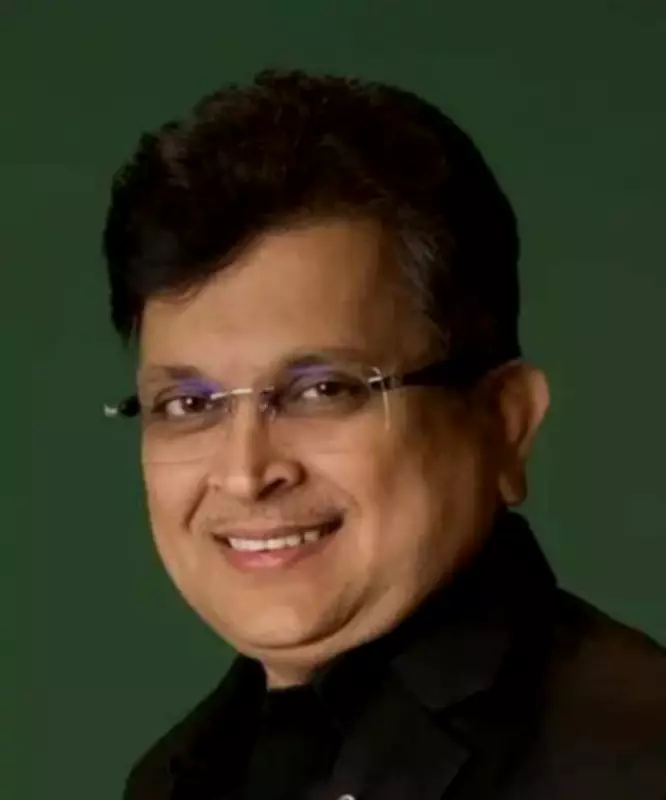
This discovery prompted a groundbreaking charitable partnership between the education department and Nagpur-based orthopedic surgeon Dr. Sushrut Babhulkar, which commenced that same year. The collaboration has since facilitated corrective surgeries for over 4,000 children, enabling them to return to their classrooms and pursue their education.
Mahesh Karajgaonkar, an education official who later retired as Maharashtra's in-charge of the Sarva Shiksha Abhiyaan (SSA), spearheaded the initial efforts. He was determined to ensure that treatable physical issues did not become permanent obstacles to learning. "Under SSA, the government's objective was unequivocal: education must reach every segment of society. When children are unable to attend school, it becomes our duty to investigate the causes and implement solutions," Karajgaonkar emphasized.

Identifying and Addressing Orthopedic Challenges
Equipped with a list of students whose physical deformities were orthopedic in nature, Karajgaonkar approached Dr. Babhulkar in 2003. Dr. Babhulkar, who had returned to Nagpur after a decade of practice in the United Kingdom, proposed initiating screening camps to identify children requiring surgical intervention, rehabilitation, and other forms of medical support.
"During our screenings, we observed that a significant majority of the children presented with post-polio deformities and cerebral palsy contractures, among other conditions," Dr. Babhulkar noted. These medical issues often resulted in impaired walking abilities or muscle stiffness, which were frequently misperceived as disabilities.
Karajgaonkar highlighted the social challenges these children faced, stating, "Students and their parents reported instances of peers mocking their deformities. Despite teachers' efforts to foster sensitivity, we cannot control the taunts that occur in neighborhoods. Ultimately, many of these children felt compelled to leave school."
The Surgical Solution and Collaborative Framework
Corrective surgeries can release tight muscles, enhancing mobility and facilitating easier walking and daily activities. While full strength may not always be restored and postoperative therapy is essential, these procedures offer a transformative opportunity. Karajgaonkar acknowledged, "A starting point was crucial, and Dr. Babhulkar not only agreed to participate but also performed the surgeries pro bono." The Maharashtra state government covered expenses related to postoperative care, medications, and rehabilitation.
Dr. Babhulkar began conducting screening camps in government schools and at his hospital. Between 2003 and 2010, approximately 3,000 students benefited from this initiative. The education department maintained its coordination with Dr. Babhulkar even after Karajgaonkar's promotion and transfer, with new in-charge PP Nikas ensuring the program's continuity.
Expansion and Enhanced Support Through Matru Sewa Sangh
In 2010, the initiative gained further momentum with the involvement of Matru Sewa Sangh (MSS) through its Snehangan program. This century-old organization integrated Dr. Babhulkar's efforts under its umbrella, providing comprehensive care for the children.
Dr. Babhulkar explained, "Initially, I handled screenings and surgeries, while the SSA team managed postoperative aspects. MSS offered a broader framework where students not only received surgical care from me but also benefited from professional postoperative support coordinated by MSS."

At the Snehangan center, children undergoing multiple procedures receive continued educational support during their recovery, preventing academic setbacks. Wards that double as classrooms allow these children, who once avoided school due to mobility issues, to gradually rebuild both their physical abilities and daily routines. For many families, this program represents not just medical treatment but a renewed opportunity for education.
Sustaining Impact Amid Challenges
From 2010 onward, an additional 1,000 children were screened and operated on. The initiative's progress faced obstacles, including a prolonged hiatus due to the Covid-19 pandemic, shifts in the education department's funding patterns for postoperative care, and various logistical issues. Despite these challenges, surgeries continue to be performed, ensuring that Vidarbha's students do not miss out on education due to correctable physical conditions.
This enduring collaboration between healthcare professionals, educational authorities, and charitable organizations stands as a testament to the power of integrated approaches in addressing complex social issues. By combining medical expertise with educational outreach, Nagpur's initiative has restored both mobility and hope for thousands of children, reaffirming the fundamental right to education for all.