NCERT's Parakh to Launch National Foundational Learning Study for Class 3 Students in March
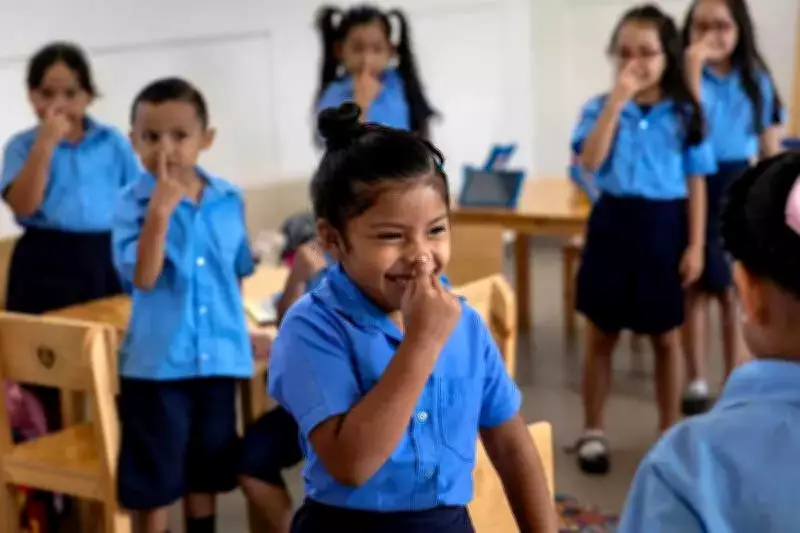
In a significant move to evaluate the academic foundations of young learners, Parakh, a specialized unit under the National Council of Educational Research and Training (NCERT), will conduct a nationwide assessment of Class 3 students in March. This initiative, known as the Foundational Learning Study-2026, is designed to measure the foundational literacy and numeracy (FLN) skills of children across the country, aiming to provide critical insights into the state of primary education.
Expansive Scope and Digital Transformation
According to the Central Board of Secondary Education (CBSE), the survey will encompass more than 10,000 schools and over 1 lakh students from 776 districts spread across 36 states and Union territories. The assessment will focus on basic reading, writing, and mathematical abilities, targeting the end of the primary education stage to gauge essential learning outcomes.
A major shift in methodology marks this study, as it will abandon the traditional paper-and-pen approach using Optical Mark Recognition (OMR) sheets. Instead, a tablet-based digital system will be implemented. Officials anticipate that this technological upgrade will enhance data collection accuracy, minimize errors, and facilitate quicker analysis and reporting of results, streamlining the entire evaluation process.

Inclusive Sampling and Coordinated Efforts
To ensure comprehensive representation, schools for the survey will be selected through a statistical sampling method, covering diverse regions and institution types. The study will include a wide range of educational setups, such as central and state government schools, government-aided schools, and private institutions, providing a holistic view of the educational landscape.
Parakh will offer technical guidance at the national level, while coordination at state and district levels will involve multiple agencies. These include Samagra Shiksha, State Councils of Educational Research and Training (SCERT), State Institutes of Education (SIE), District Institutes of Education and Training (DIET), and district education offices, ensuring smooth implementation across all tiers.
Operational Directives and Future Implications
CBSE has issued an official circular directing all affiliated schools chosen for the survey to remain operational on the scheduled dates and extend full cooperation to the assessment teams. This directive underscores the importance of the study in gathering reliable data.
The findings from the Foundational Learning Study-2026 are expected to play a pivotal role in strengthening India's primary education system. By identifying gaps and successes in foundational learning, the results will inform future policies and initiatives aimed at improving learning outcomes among young students, ultimately contributing to the nation's educational development goals.