NCERT Withdraws Textbook Over Judicial Corruption References Following Supreme Court Ban
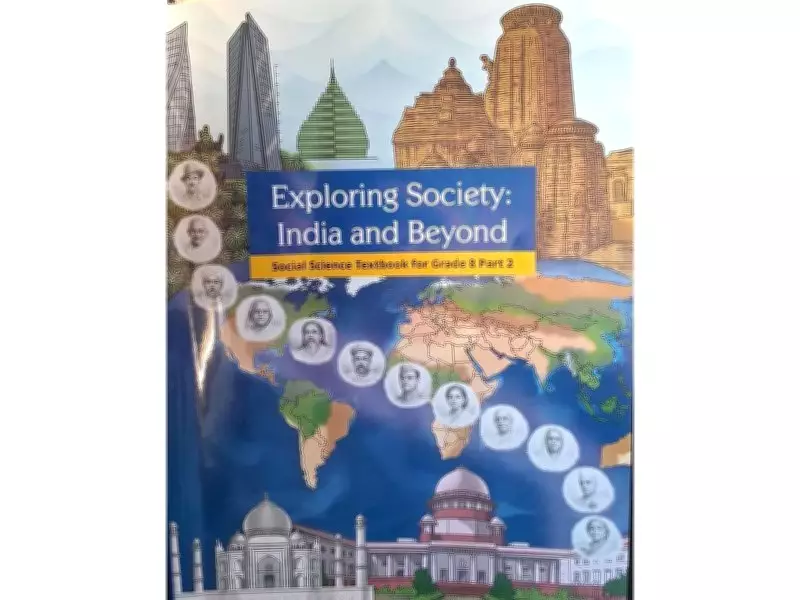
The National Council of Educational Research and Training (NCERT) has officially withdrawn a Class 11 sociology textbook from circulation after the Supreme Court of India imposed a ban on its distribution. This decisive action comes in response to significant controversy surrounding the textbook's content, which included references to corruption within the judiciary. The withdrawal marks a critical development in an ongoing debate about educational materials and their portrayal of sensitive institutional issues in India.
Supreme Court Intervention and Immediate Ban
The Supreme Court took swift action by banning the distribution of the textbook, citing concerns over its content that allegedly discussed corruption in the judiciary. This judicial intervention followed complaints and legal challenges from various quarters, including some judicial bodies and educational stakeholders, who argued that the material could undermine public confidence in the legal system. The court's order emphasized the need to maintain the integrity and dignity of judicial institutions, leading to an immediate halt in the textbook's availability across schools and educational platforms.
NCERT's Response and Textbook Withdrawal
In compliance with the Supreme Court's directive, NCERT has formally withdrawn the textbook from all educational channels. The council issued a statement acknowledging the court's concerns and confirming the removal of the book from its curriculum and distribution networks. NCERT officials stated that they are reviewing the content to ensure alignment with educational standards and legal guidelines, while also considering revisions or replacements for future editions. This move has sparked discussions among educators and policymakers about the balance between academic freedom and institutional respect in textbook content.

Controversy and Broader Implications
The controversy stems from specific passages in the textbook that addressed issues of corruption within the judiciary, a topic that has been a subject of public discourse in India. Critics argue that such content, while potentially educational, should be presented with caution to avoid misinterpretation or erosion of trust in vital institutions. Proponents of the textbook, however, contend that it aimed to foster critical thinking and awareness among students about governance and societal challenges. The withdrawal raises questions about censorship in education and the role of judicial oversight in curricular matters, with implications for future textbook development and academic discourse in the country.
Next Steps and Educational Impact
Following the withdrawal, NCERT is expected to work on alternative materials or revised versions for Class 11 sociology, ensuring compliance with legal and ethical standards. Schools and educators are advised to discontinue use of the withdrawn textbook and await further instructions from NCERT. This incident highlights the ongoing challenges in crafting educational content that is both informative and respectful of institutional sensitivities, potentially influencing how similar issues are handled in India's education system moving forward.