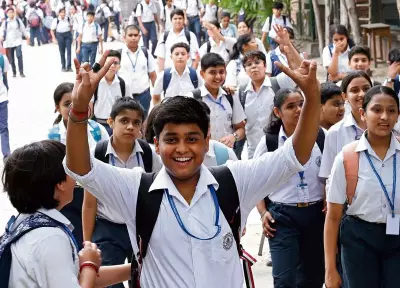
India's education sector is undergoing a significant shift with the introduction of a new assessment policy for schools. This policy aims to make student evaluations more diagnostic, transparent, and stress-free. The move comes as part of broader efforts to improve learning outcomes and reduce academic pressure on young learners.
Key Features of the New Assessment Approach
The policy emphasizes a holistic evaluation system that goes beyond traditional exam scores. It focuses on understanding each student's strengths and weaknesses through continuous assessment. Teachers will use various tools to monitor progress throughout the academic year.
Diagnostic and Transparent Methods
Assessment methods will now be more diagnostic in nature. This means they will identify specific areas where students need improvement. The process will be transparent, with clear criteria shared with students and parents. Regular feedback sessions will help track development over time.

Schools are encouraged to adopt innovative evaluation techniques. These include project-based assessments, oral tests, and practical demonstrations. The goal is to create a more comprehensive picture of a student's abilities.
Reducing Stress and Anxiety
One of the primary objectives is to make assessments stress-free. The policy discourages high-stakes exams that cause anxiety among students. Instead, it promotes a supportive learning environment where mistakes are seen as opportunities for growth.
Teachers will receive training to implement these changes effectively. They will learn how to use assessment data to tailor instruction to individual needs. This personalized approach is expected to boost student confidence and engagement.
Implementation and Challenges
The new policy will be rolled out in phases across different states. Education authorities are working on guidelines to ensure consistent application. Schools will need to adapt their existing evaluation systems to align with the new framework.
Some challenges include resistance to change from traditional exam-focused mindsets. There is also a need for adequate resources and training for teachers. However, early pilot programs have shown positive results in reducing student stress.
Impact on Learning Outcomes
Experts believe that diagnostic assessments can lead to better learning outcomes. By identifying gaps early, teachers can provide targeted support. This proactive approach helps prevent students from falling behind in their studies.
Transparent evaluation methods foster trust between schools and parents. Regular updates on student progress keep families informed and involved in the educational journey.
Future Directions
The policy is part of India's larger education reform agenda. It aligns with the National Education Policy 2020, which advocates for a more flexible and inclusive system. Future steps may include integrating technology to streamline assessment processes.
Continuous monitoring and feedback will be crucial for refining the policy. Education stakeholders are optimistic that these changes will create a more nurturing and effective learning environment for all students.