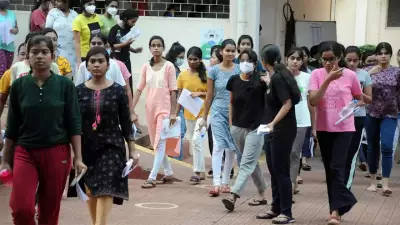
For decades, the path to success in Indian education seemed clear and linear. High marks led to prestigious colleges, which in turn paved the way for secure, high-status jobs. This model shaped everything from how schools were evaluated to how parents measured their own worth through their children's academic ranks. However, a groundbreaking new nationwide study reveals this long-standing compact is now quietly fracturing.
The Student Sync Index 2026: Inside the New School Reality provides a comprehensive look into the evolving educational landscape. The research gathered views from more than 3,700 stakeholders, including students, parents, teachers, and school leaders from India's private school ecosystem. The findings paint a picture of a system where a unified definition of 'doing well' has vanished, replaced by three distinct and often conflicting perspectives.
The Student View: Success as External Validation
For the vast majority of students, success remains firmly tied to external outcomes and societal recognition. The data is stark: 67% of students equate success with gaining admission to a good college, while 59% see it as simply getting good marks. A significant 63% also associate it with becoming confident and independent.

Perhaps the most telling statistic is that a mere 2% of students define success as learning things useful in real life. This highlights a system where motivation is dominated by the end goals of college acceptance, grades, and social status. In this model, intrinsic drivers like curiosity, creativity, and practical learning are pushed to the sidelines.
The Parental Lens: Reinforcing the Achievement Pathway
Parents, the study finds, largely amplify this external orientation. Conversations at home frequently centre on college pathways, professional networks, institutional prestige, and competitive positioning. When asked to rank their priorities for their child's school experience, their list reflects this focus clearly:
- Development of social skills and friendships
- Preparation for college
- Academic achievement
- Preparation for a career
- Emotional well-being and resilience
- Cultivating a love of learning
In essence, parental views of success are outcome-centric, mirroring societal metrics of achievement rather than prioritising personal growth or self-discovery. This creates a powerful feedback loop, shaping student ambitions to align with external validation.
The Teacher's Perspective: Success as Internal Drive
Educators, however, view success through a markedly different lens. For teachers, a truly successful student is measured not by report cards or admission letters, but by internal behaviours and a sense of purpose. According to the study's findings:
- 63% of teachers look for students who take initiative.
- 55% value students who set their own goals.
- 53% prize consistency and responsibility.
- 47% identify students motivated by a clear purpose or passion.
This shows that teachers prize internal fuel—self-motivation, discipline, and curiosity—over external accolades. They see success as the cultivation of habits, behaviours, and resilience that sustain lifelong learning, rather than a transient sequence of exam scores.
Bridging the Divide: The Path Forward for Indian Schools
The emerging dichotomy presents both a challenge and an opportunity for the Indian education system. Students are chasing external outcomes, parents are reinforcing this through expectations, and teachers are focusing on the internal growth that makes long-term achievement meaningful. With no shared norms, each group navigates success on its own terms, leading to a landscape where ambitions and measures of progress are misaligned.

The imperative for schools is clear: they must act as bridges. Outcome-oriented students need guidance to discover internal purpose. Achievement-focused parents require reassurance that character and curiosity matter as much as grades. Teachers, in turn, need institutional support to nurture passions and behaviours without being undermined by narrow external metrics. The future of education in India depends on harmonising these three distinct visions of success.