National Human Rights Commission Intervenes in School Book Procurement Controversy
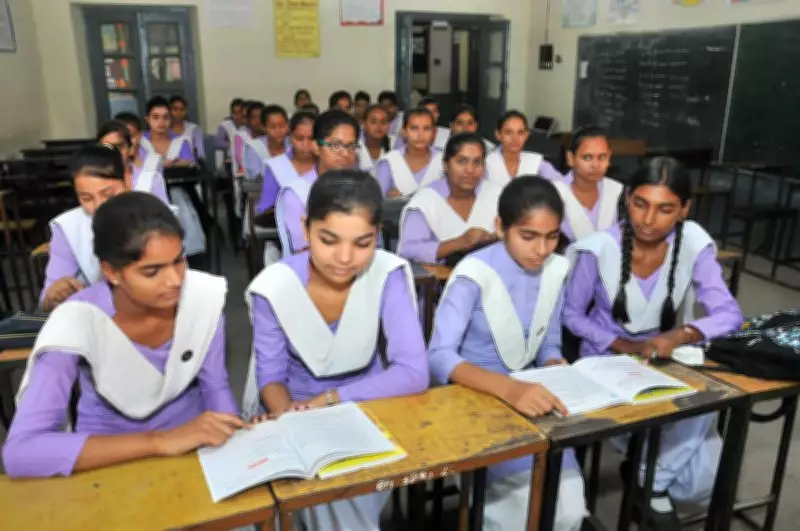
The National Human Rights Commission (NHRC) has taken a significant step by issuing formal notices to the Ministry of Education and the Central Board of Secondary Education (CBSE). This action comes in response to mounting complaints that numerous schools affiliated with CBSE are allegedly forcing students to purchase textbooks exclusively from specific private publishers.
Allegations of Coercive Practices in Educational Institutions
According to the information received by the commission, several schools across the country have been insisting that students buy their academic books only from designated private publishing houses. This practice has sparked widespread concern among parents and educational advocates, who argue that it imposes an unnecessary financial burden on families and may limit access to diverse learning materials.
The NHRC's intervention highlights a potential violation of students' rights, as the mandatory procurement from private entities could be seen as restrictive and commercially driven rather than educationally focused. The commission has demanded a detailed report from both the Ministry of Education and the CBSE within a stipulated timeframe, seeking clarification on the policies governing textbook procurement and the measures in place to prevent such coercive practices.

Implications for Educational Equity and Policy Enforcement
This issue raises critical questions about educational equity and the enforcement of existing regulations. Key concerns include:
- The potential for increased costs for parents, particularly those from economically disadvantaged backgrounds.
- Whether such mandates contravene CBSE guidelines that promote flexibility and affordability in educational resources.
- The impact on the quality of education if schools prioritize commercial agreements over pedagogical needs.
The NHRC's notice underscores the need for transparency and accountability in how schools manage textbook procurement. It calls for a review of current practices to ensure they align with the principles of inclusive and accessible education for all students, regardless of their socioeconomic status.
Expected Responses and Broader Reforms
Both the Ministry of Education and the CBSE are now required to respond to the NHRC's queries, detailing:
- The specific complaints received regarding forced book purchases.
- The existing guidelines on textbook selection and procurement in CBSE-affiliated schools.
- The corrective actions planned or implemented to address such issues.
This development may prompt broader reforms in the educational sector, potentially leading to stricter enforcement of rules that prohibit schools from mandating purchases from private publishers. It also highlights the role of human rights institutions in safeguarding students' interests and promoting fair practices in education.
As the situation unfolds, stakeholders, including parents, educators, and policymakers, will be closely monitoring the responses from the authorities. The outcome could set a precedent for how similar issues are handled in the future, ensuring that educational resources remain affordable and accessible to all students.