Massive Rush for Quality Education: Punjab Sees Over 2 Lakh Aspirants for 20,000 Seats
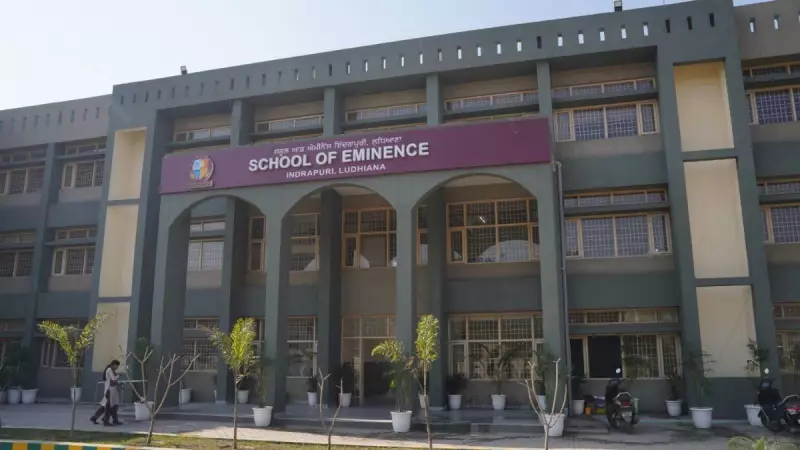
In a remarkable display of the soaring demand for high-quality education in the state, Punjab has witnessed an overwhelming response to its Schools of Eminence (SoE) and residential schools. According to recent reports, more than 2 lakh aspirants have applied for a mere 20,000 available seats across these institutions, creating a highly competitive scenario that underscores the critical need for educational excellence.
Unprecedented Application Numbers Reflect Educational Aspirations
The staggering figure of over 2 lakh applicants highlights the deep-seated aspirations of students and parents in Punjab who are eager to secure spots in these prestigious schools. This surge in applications is not just a number; it represents a collective push towards better learning environments and enhanced academic opportunities. The Schools of Eminence, in particular, are designed to offer world-class education, while residential schools provide a holistic boarding experience, making them highly sought-after destinations for young learners.
Breaking Down the Numbers: A Closer Look at the Competition
With only 20,000 seats up for grabs, the competition ratio stands at approximately 10 applicants for every single seat, painting a vivid picture of the intense rivalry among students. This ratio is indicative of the high stakes involved, as families across Punjab recognize the transformative potential of these educational institutions. The sheer volume of applications has put a spotlight on the state's efforts to expand access to quality education, yet it also raises questions about capacity and inclusivity in the face of such overwhelming demand.

Implications for Punjab's Education Landscape
This massive influx of applications has significant implications for Punjab's education system. On one hand, it validates the government's initiative to establish Schools of Eminence and residential schools as beacons of academic excellence. On the other hand, it underscores the urgent need for further expansion and resource allocation to accommodate more students. The situation calls for a balanced approach, ensuring that while quality is maintained, opportunities are broadened to reduce the competitive pressure and make elite education more accessible to a wider demographic.
Future Prospects and Government Response
As Punjab grapples with this educational surge, the government is likely to review its policies and infrastructure to better meet the growing demand. Potential measures could include increasing the number of seats, enhancing existing facilities, or launching new initiatives to support students who may not secure admission. The overwhelming response serves as a clear signal to policymakers about the public's hunger for improved educational standards, potentially driving future reforms and investments in the sector.
In summary, the competition for seats in Punjab's Schools of Eminence and residential schools is a telling indicator of the state's educational aspirations and challenges. With over 2 lakh students vying for limited spots, the focus now shifts to how the system can evolve to nurture talent without leaving anyone behind.