Punjab Students Union Stages Sit-In at Speaker's Residence Over Key Demands
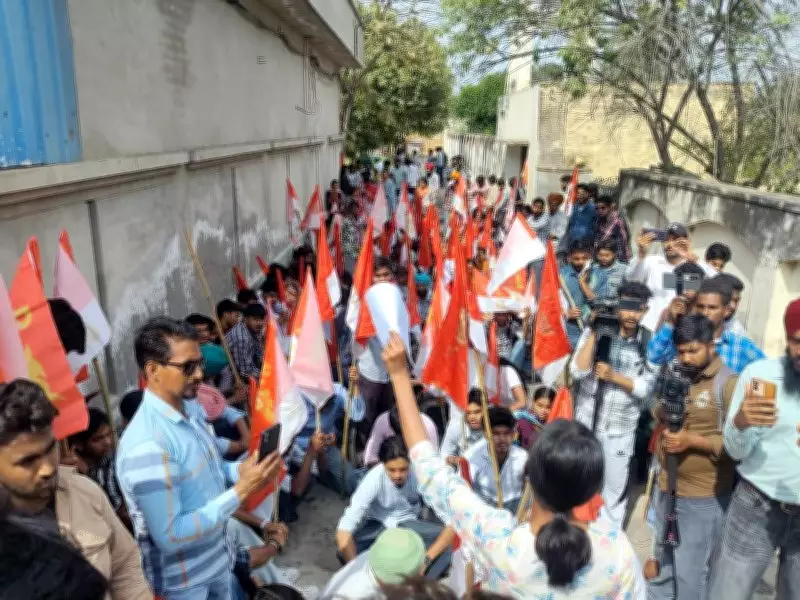
In a significant display of student activism, members of the Punjab Students Union (PSU) organized a gherao at the residence of Punjab Assembly Speaker Kultar Singh Sandhwan in Sandhwan village, Faridkot, on Wednesday. The protest centered on a series of pressing demands related to education policy, employment opportunities, and alleged police misconduct, highlighting growing tensions between student groups and state authorities.
Core Demands: Education, Jobs, and Justice
The protesters presented a memorandum outlining three primary demands. First, they called for education to be included in the state list, arguing that this would empower Punjab to develop its own policies rather than adhering to central directives. Second, they demanded 90% reservation in jobs for Punjab residents, citing precedents in states like Haryana and Karnataka where similar legislation exists to prioritize local employment. Third, they urged a judicial inquiry into alleged fake police encounters involving youths, accusing law enforcement of creating an atmosphere of fear and suppressing dissent.
Criticism of National Education Policy 2020
Student leaders strongly criticized the implementation of the National Education Policy (NEP) 2020, which Punjab was among the first states to adopt. They contended that the policy's adverse effects are already surfacing, compromising the state's educational autonomy and rights. The protesters demanded that the NEP be scrapped entirely and replaced with a state-specific education policy tailored to Punjab's unique needs and cultural context. This stance reflects broader concerns about federal overreach and the erosion of state powers in favor of central governance.

Protest Dynamics and Government Response
During the sit-in, activists accused the ruling party of attempting to suppress people's movements and alleged that the police are instrumental in fostering an environment of intimidation. When Speaker Kultar Singh Sandhwan did not emerge to accept the memorandum, the protesters took matters into their own hands by pasting copies of their demands on the main gate of his residence. This act symbolized their frustration with what they perceive as governmental indifference to student issues.
The protest underscores a deepening rift between student organizations and the state administration, with implications for policy-making and public discourse in Punjab. As tensions escalate, the demands for educational reform, job security, and accountability in law enforcement remain unresolved, setting the stage for potential future confrontations.