Punjab's Rural Library Scheme: A Transformative Initiative for Youth Literacy
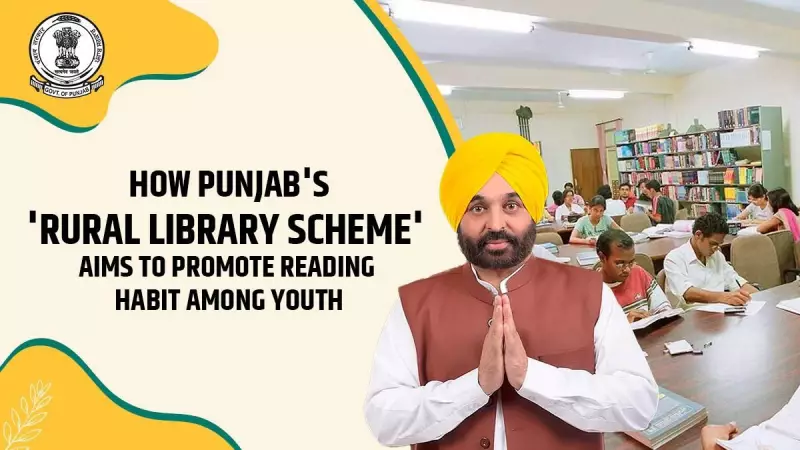
In a significant move to cultivate a culture of reading and learning, the state of Punjab has unveiled an ambitious rural library scheme. This initiative is specifically designed to target the youth in villages, addressing the gap in access to educational resources and promoting lifelong learning habits. By establishing libraries in rural areas, the government aims to create hubs of knowledge that can empower young minds and contribute to overall community development.
Objectives and Implementation of the Scheme
The primary goal of the Punjab rural library scheme is to encourage reading habits among the youth, who often face limited opportunities for intellectual engagement outside formal schooling. The scheme involves setting up well-equipped libraries in villages, stocked with a diverse range of books, including academic texts, literature, and reference materials. These libraries will serve as accessible spaces for students and young adults to explore new ideas, enhance their knowledge, and develop critical thinking skills.
Key features of the implementation include:

- Strategic placement of libraries in underserved rural regions to maximize reach.
- Collaboration with local communities and educational institutions to ensure sustainability.
- Provision of digital resources and internet access to bridge the digital divide.
- Regular workshops and reading sessions to engage youth actively.
Impact on Youth and Rural Communities
This scheme is expected to have a profound impact on the youth of Punjab, fostering not only improved literacy rates but also a broader appreciation for education. By making books and learning materials readily available, it can help reduce educational disparities between urban and rural areas. Moreover, the libraries are envisioned as community centers that promote social interaction and cultural exchange, thereby strengthening the social fabric of villages.
Experts believe that such initiatives are crucial for nurturing future leaders and innovators. As youth spend more time reading and learning, they are likely to develop better academic performance, enhanced creativity, and increased awareness of global issues. This, in turn, can lead to higher employment opportunities and economic growth in rural Punjab.
Challenges and Future Prospects
While the scheme holds great promise, it may face challenges such as funding constraints, maintenance of facilities, and ensuring consistent youth participation. However, with strong government support and community involvement, these hurdles can be overcome. The long-term vision includes expanding the network of libraries and integrating technology to offer e-learning platforms, making education more inclusive and dynamic.
In conclusion, Punjab's rural library scheme represents a forward-thinking approach to education and youth development. By prioritizing reading habits and access to knowledge, it sets a precedent for other states to follow, ultimately contributing to a more literate and informed society.