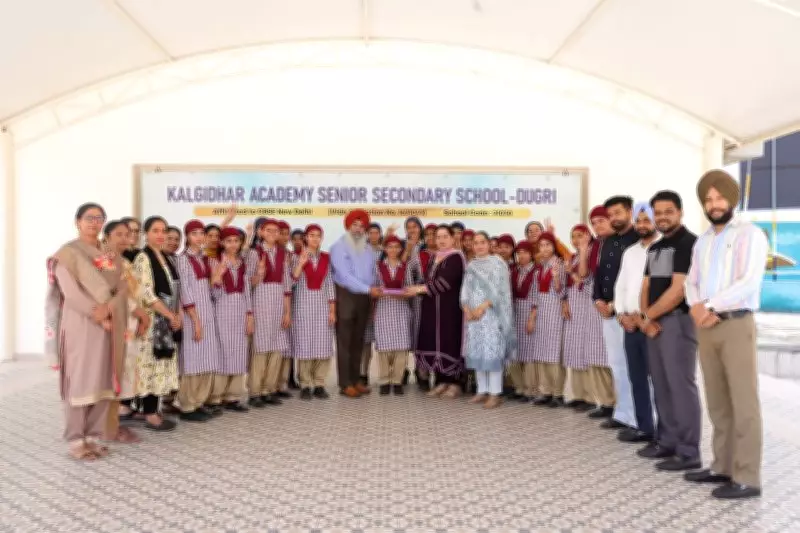
Rural Students in Ludhiana District Excel Academically, Rival Urban Peers
In a significant development for education in Punjab, rural students in Ludhiana district have showcased remarkable academic performance, achieving high scores that are on par with their urban counterparts. This achievement underscores the narrowing gap in educational outcomes between rural and urban areas, reflecting positive strides in the region's schooling system.
Academic Performance Highlights
The results from recent examinations reveal that students from rural schools in Ludhiana have not only matched but in some cases surpassed the scores of their urban peers. This trend is particularly notable in subjects such as mathematics, science, and languages, where rural students have demonstrated strong proficiency and understanding.
Key factors contributing to this success include:

- Enhanced access to quality educational resources and infrastructure in rural areas.
- Dedicated efforts by teachers and school administrators to provide personalized support and guidance.
- Increased parental involvement and community engagement in promoting education.
- Implementation of government schemes and initiatives aimed at improving rural education standards.
Implications for Educational Equity
This achievement highlights the progress towards educational equity in Ludhiana district, challenging the traditional notion that urban students inherently outperform those from rural backgrounds. It serves as a testament to the resilience and determination of rural students, who have overcome various challenges to excel academically.
Experts suggest that this trend could have broader implications for the state's education policy, encouraging further investments in rural schooling and teacher training programs. By bridging the urban-rural divide, Ludhiana sets an example for other districts to follow, promoting inclusive growth and development.
Future Prospects and Challenges
While the high scores are a positive indicator, sustaining this performance requires ongoing efforts. Challenges such as limited access to advanced technology, extracurricular opportunities, and higher education pathways in rural areas need to be addressed to ensure long-term success.
Initiatives like digital learning tools, scholarship programs, and career counseling can help rural students continue to thrive and compete on a larger scale. Collaboration between government bodies, educational institutions, and local communities will be crucial in maintaining this momentum.
In conclusion, the academic achievements of rural students in Ludhiana district mark a significant milestone in the pursuit of educational equality. By matching their urban counterparts, these students not only boost their own prospects but also inspire a more equitable and inclusive educational landscape for future generations.