Supreme Court Raises Concerns Over Delhi Government's School Fee Law Implementation
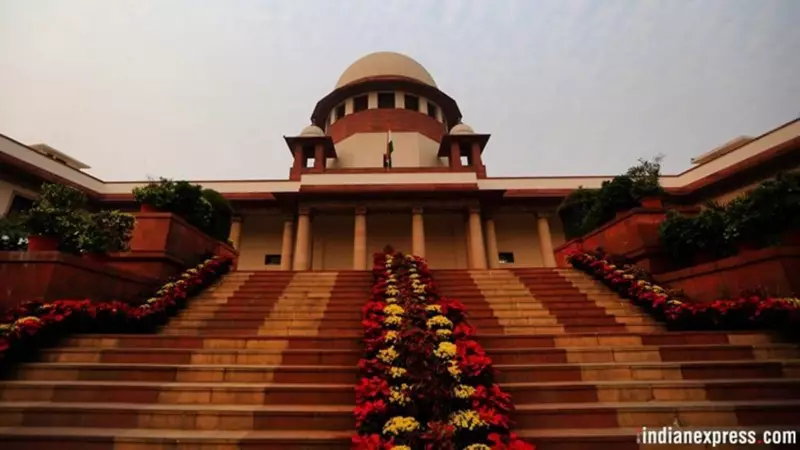
The Supreme Court of India has directly questioned the Delhi government about its timing in enforcing a new law that regulates school fees in the national capital. This development occurred during a hearing on Monday, where the apex court expressed serious reservations about the practical implementation of the legislation.
Confusion Over Implementation Timing
A bench comprising Justices P. S. Narasimha and Alok Aradhe pointed out that enforcing the Delhi School Education (Transparency in Fixation and Regulation of Fees) Act, 2025 during an ongoing academic year creates significant confusion. The justices emphasized that this timing appears potentially unworkable and could disrupt the educational process for thousands of students across Delhi.
The court specifically noted that implementing such comprehensive legislation mid-academic year presents practical challenges for both schools and parents. This timing issue has become a central point of contention in the ongoing legal proceedings.

Legal Challenge from Private Schools
The Supreme Court was hearing petitions filed by associations representing private unaided schools in Delhi. These schools are challenging both the Act itself and the subsequent rules created for its implementation. The private school associations argue that the legislation imposes unreasonable burdens on educational institutions.
Senior advocate Mukul Rohatgi, representing the schools, presented arguments before the court. He submitted that the manner in which the Delhi government is enforcing the legislation directly contradicts the intended scheme of the Act. Rohatgi emphasized that the implementation approach creates unnecessary complications for educational institutions.
Court's Stance on the Legislation
While questioning the implementation timing, the Supreme Court clarified its position on the legislation itself. The top court stated it is not currently inclined to interfere with the actual legislation at this stage. However, the justices strongly emphasized that any implementation must strictly adhere to statutory timelines and practical considerations.
The court's position suggests it recognizes the legislative intent behind the fee regulation law while remaining concerned about its practical execution. This balanced approach acknowledges both the need for fee regulation and the practical realities of implementing such measures in educational institutions.
Details of the Fee Regulation Act
The Delhi government recently notified the School Education (Transparency in Fixation and Regulation of Fees) Act, 2025. This comprehensive legislation establishes detailed provisions covering several critical areas:
- Permissible fee heads that schools can charge
- Accounting practices that institutions must follow
- Restrictions on additional charges beyond approved fees
- Prohibition of capitation fees in any form
- Ban on collecting amounts beyond what the law approves
The Act represents a significant effort to bring transparency and fairness to school fee structures in Delhi. However, its implementation has sparked this legal debate about timing and practical considerations.
Recent High Court Developments
Earlier legal proceedings have already addressed some implementation aspects. The Delhi High Court, on January 8, made specific rulings regarding the fee regulation process:
- The High Court refused to stay a notification directing private schools to constitute fee regulation committees
- It extended the deadline for setting up these committees from January 10 to January 20
- The court also extended the submission deadline for proposed fees from January 25 to February 5
These extensions provide schools with additional time to comply with the new requirements while the Supreme Court considers the broader implementation questions.
The Supreme Court's scrutiny highlights the complex balance between regulatory objectives and practical implementation in education policy. As the case continues, all stakeholders await further clarity on how Delhi's school fee regulation will proceed in practice.