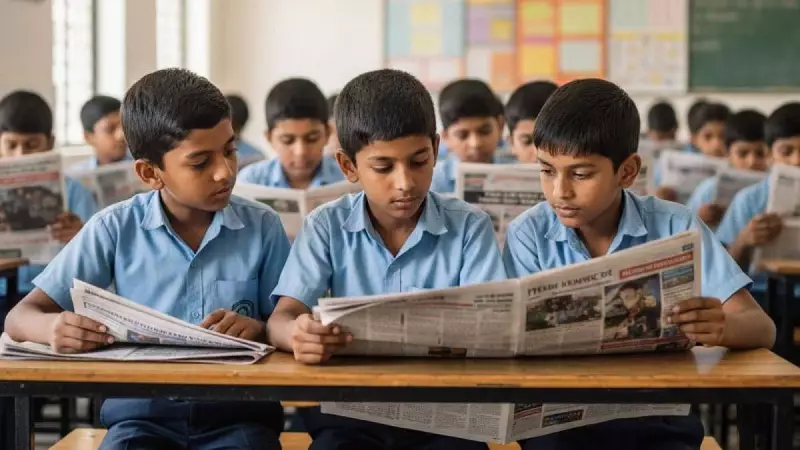
Protecting democracy starts in unexpected places. It does not begin in secret war rooms with maps and strategies. Instead, it often starts at a simple school assembly. Imagine a child standing before classmates, reading an editorial from a newspaper. This small act holds immense power.
The Power of a Simple Question
When a child reads the news aloud, something remarkable happens. Questions naturally arise. Why did that event occur? What does this policy mean for our community? These are not just childish curiosities. They are the first steps toward deeper understanding.
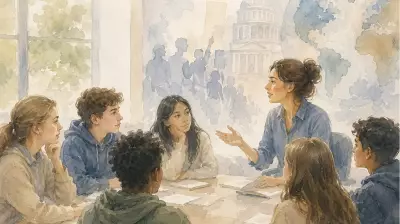
The child asks a question. A classmate offers an answer. A teacher provides context. Suddenly, a discussion unfolds. This exchange of ideas is vital. It moves beyond passive listening to active engagement.

From Questions to Viewpoints
Informed discussions do not stop at the assembly hall. They continue in classrooms, at lunch tables, and at home. Children learn to analyze information. They compare different perspectives. They start forming their own opinions based on evidence and reason.
This process builds critical thinking skills. It teaches young minds to question, to verify, and to debate respectfully. These are the very skills a healthy democracy requires from its citizens.
Beyond the Battlefield
Democracy's defense is often pictured as a military or political struggle. While those aspects matter, the foundation is softer yet stronger. It lies in an educated, questioning populace. A child who reads news today becomes an adult who votes thoughtfully tomorrow.
Newspaper reading habits instilled early create lifelong learners. They foster a connection to current events and civic life. When children engage with news, they see themselves as part of a larger society with responsibilities.
The classroom becomes a training ground for democracy. Every question asked, every discussion held, strengthens the collective ability to govern ourselves wisely. It builds resilience against misinformation and apathy.A Practical Beginning
Schools can integrate news reading easily. Morning assemblies can feature student-read editorials. Teachers can facilitate follow-up conversations. Parents can discuss headlines at the dinner table.
These practices seem simple. Their impact, however, is profound. They cultivate the informed viewpoints democracy desperately needs. They turn passive children into active citizens.
The next generation's ability to defend democratic values depends on today's habits. Encouraging news reading and questioning from a young age is not just educational. It is essential for our nation's future. The defense of democracy truly begins when a child picks up a newspaper and wonders why.