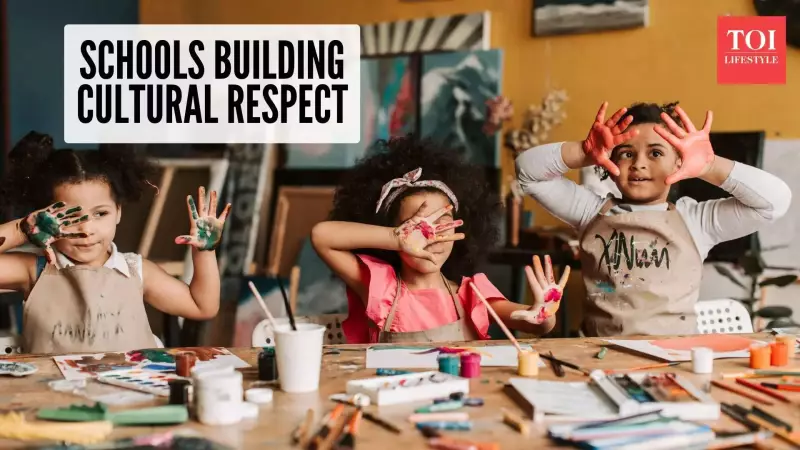
How Schools Foster Cultural Respect in Diverse Classrooms: A Guide for Parents
In today's interconnected world, classrooms have become vibrant microcosms of society, bringing together children from varied cultural backgrounds, languages, and belief systems. Schools play a pivotal role in shaping how young minds perceive and engage with these differences. When implemented thoughtfully, educational institutions transform diversity into a powerful, everyday lesson in respect, empathy, and collective growth. This comprehensive guide explores the multifaceted strategies schools employ to promote cultural respect, offering parents valuable insights into this crucial aspect of modern education.
Learning Begins with Consistent Daily Practices
Cultivating cultural respect extends far beyond occasional special events or celebrations. It is woven into the fabric of daily school life through intentional, consistent actions. Morning assemblies often feature stories, songs, or presentations from various regions and traditions, while classroom examples routinely incorporate names, foods, and festivals from different cultures. These seemingly small choices send a powerful, clear message to students: every background is valued, respected, and belongs within the school community.
Teachers Set the Foundational Tone Early On
Educators serve as primary role models in guiding how students interact with and treat one another. Simple, mindful habits can make a profound difference. For instance, teachers who take care to correctly pronounce students' names demonstrate respect and care for individual identity. Encouraging children to share family traditions, holidays, or personal stories fosters pride and mutual understanding. When teachers listen attentively and without judgment, they model behavior that children naturally emulate, creating a classroom culture of openness and acceptance.

Classrooms Encourage Open and Respectful Conversations
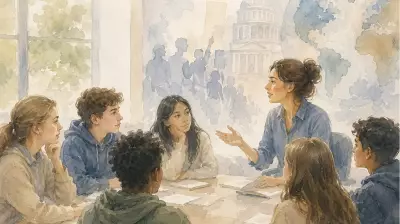
Diverse environments naturally spark curiosity and questions among students. Progressive schools create safe spaces for these discussions, allowing children to explore customs, clothing, languages, and beliefs with respect and curiosity. Teachers play a crucial role by stepping in to gently correct misconceptions or myths using factual information and kindness. These honest, guided conversations help reduce fear, dispel stereotypes, and build genuine understanding from an early age.
Curriculum Reflects a Multitude of Voices and Perspectives
Modern educational materials increasingly avoid a single-story view of the world. Textbooks, history lessons, literature, and classroom examples now draw from multiple cultures and global perspectives. Students encounter heroes, leaders, innovators, and thinkers from diverse backgrounds, ensuring a more balanced and inclusive narrative. This approach helps children appreciate and respect cultures beyond their own, fostering a broader, more empathetic worldview.
Schools Actively Involve Families and Communities
Parental and community engagement is a cornerstone of effective cultural education. Many schools invite parents, grandparents, or local community members to participate in activities, sharing stories, food, music, art, or traditional skills from their heritage. This vital link between school and home reinforces the message that culture is a living, dynamic part of both personal identity and community life. Children learn that cultural respect extends beyond the classroom walls into their everyday interactions.
Why Cultural Respect Truly Matters for Future Success
Classrooms that prioritize cultural respect do more than create harmonious learning environments; they shape compassionate, capable adults. Children who learn to value differences from a young age develop stronger empathy, fairness, and conflict-resolution skills. These abilities prove invaluable beyond school, enhancing personal relationships, workplace collaboration, and civic engagement. In a globalized society, such competencies are essential for navigating an increasingly interconnected world with grace and understanding.
This article provides general informational insights into common educational practices aimed at fostering cultural respect. It is not intended to replace professional or institutional guidance.