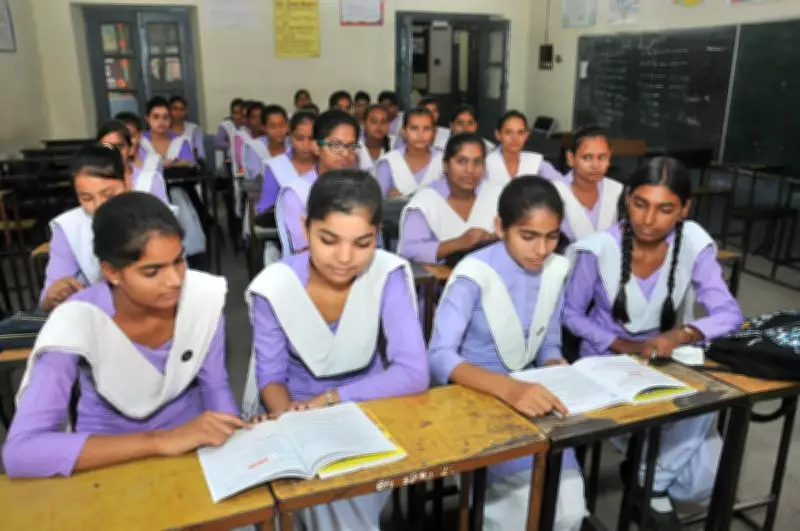
Sikhya Kranti: A Comprehensive Reality Check on India's Ambitious Education Revolution
The Sikhya Kranti initiative, launched as a cornerstone of India's educational transformation, has sparked widespread debate and scrutiny. This ambitious program aims to overhaul the country's education system, aligning it with global standards and addressing long-standing issues of access, quality, and equity. However, a reality check reveals a complex landscape of progress intertwined with persistent challenges that demand urgent attention.
Policy Vision and Implementation Gaps
At its core, Sikhya Kranti is designed to implement the National Education Policy (NEP) 2020, which envisions a holistic and flexible learning environment. The policy emphasizes critical thinking, vocational training, and digital literacy, moving away from rote memorization. Despite these forward-thinking goals, the implementation on the ground has been uneven. Many states have struggled to adapt their curricula and infrastructure to meet the new standards, leading to disparities in educational outcomes across regions.
Infrastructure and resource allocation remain significant hurdles. While urban schools have seen improvements in technology integration and teacher training, rural and remote areas often lack basic facilities like electricity, internet connectivity, and qualified educators. This digital divide exacerbates existing inequalities, making it difficult for all students to benefit equally from the reforms.

Learning Outcomes and Assessment Challenges
A key metric for evaluating Sikhya Kranti's success is the improvement in learning outcomes, particularly in foundational skills like reading and mathematics. Recent assessments indicate mixed results. Some regions report gains in student performance, attributed to enhanced teacher development programs and updated teaching methodologies. However, nationwide data shows that a substantial number of children still fall below grade-level proficiency, highlighting the need for more targeted interventions.
The shift towards competency-based assessments, as advocated by NEP 2020, is a positive step but faces logistical challenges. Standardized testing systems are being redesigned to focus on conceptual understanding rather than memorization, yet this transition requires extensive teacher training and parental awareness to be effective. Without adequate support, these changes risk alienating stakeholders and undermining the reform's objectives.
Teacher Empowerment and Curriculum Reforms
Empowering teachers is central to Sikhya Kranti, with initiatives aimed at continuous professional development and better working conditions. Programs like the National Initiative for School Heads' and Teachers' Holistic Advancement (NISHTHA) have trained millions of educators, yet feedback suggests that the quality and relevance of these trainings vary widely. Many teachers report feeling overwhelmed by the rapid changes and insufficient resources to implement new pedagogies effectively.
Curriculum reforms under Sikhya Kranti promote interdisciplinary learning and flexibility, allowing students to choose subjects based on their interests. This approach aims to reduce stress and foster creativity, but it requires a robust support system, including updated textbooks and digital content. Delays in material development and distribution have slowed the adoption of these reforms in many schools.
Equity and Inclusion in Education
Sikhya Kranti places a strong emphasis on equity, seeking to bridge gaps for marginalized communities, including girls, children with disabilities, and those from low-income backgrounds. Schemes like the Samagra Shiksha Abhiyan have increased enrollment rates, but retention and quality of education for these groups remain concerns. Social and economic barriers, such as child labor and early marriage, continue to hinder educational access in vulnerable populations.

Inclusion efforts also extend to promoting regional languages and cultural contexts in education, as per NEP 2020 guidelines. While this fosters a sense of identity and belonging, it poses challenges in standardizing assessments and ensuring mobility for students across states. Balancing localization with national coherence is an ongoing struggle in the reform process.
Future Prospects and Recommendations
Looking ahead, the success of Sikhya Kranti hinges on addressing these implementation gaps through collaborative efforts. Key recommendations include:
- Enhanced funding and monitoring: Allocate resources more efficiently and establish robust mechanisms to track progress at the grassroots level.
- Teacher support systems: Provide ongoing, context-specific training and reduce administrative burdens to allow educators to focus on teaching.
- Technology integration: Expand digital infrastructure in underserved areas and develop accessible e-learning tools to complement traditional methods.
- Stakeholder engagement: Involve parents, communities, and local governments in decision-making to ensure reforms are responsive to on-ground needs.
In conclusion, Sikhya Kranti represents a bold vision for India's education system, but its reality check underscores the need for persistent effort and adaptation. By learning from early challenges and scaling successful models, India can move closer to achieving an inclusive and high-quality education for all its citizens.