

LPG Station Crowds Exacerbate Bengaluru's Traffic Crisis
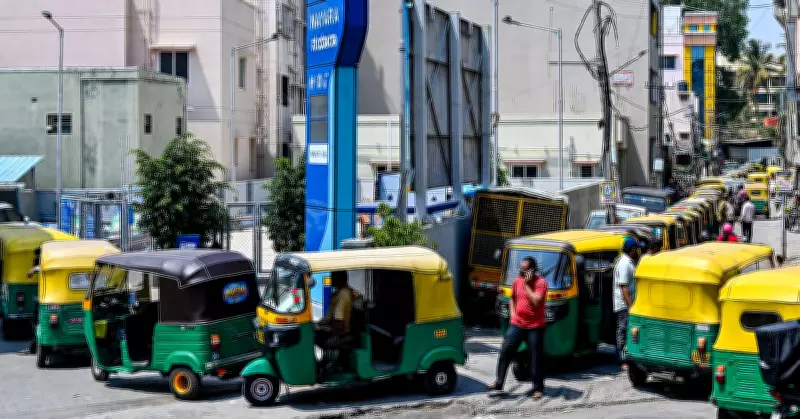
Chaotic scenes at liquefied petroleum gas (LPG) stations are adding a new layer of misery to Bengaluru's already notorious traffic problems. The situation has reached a boiling point, with auto-rickshaw drivers bearing the brunt of the disruption.
Rajajinagar Incident Highlights Widespread Issue
In the Rajajinagar area, auto drivers were left furious after queuing for over three hours to refill their LPG tanks, only to be turned away empty-handed. This incident underscores a broader pattern of supply shortages and logistical failures plaguing the city's fuel distribution network.
The traffic impact is severe, as long lines of vehicles waiting at LPG stations spill onto main roads, blocking lanes and causing gridlock. This congestion not only delays commuters but also hampers emergency services and daily business operations across affected neighborhoods.

Auto Drivers Voice Their Frustration
Many auto drivers, who rely on LPG for their livelihoods, expressed deep frustration at the wasted time and lost income. "We spend hours in line, missing fares, and then they say there's no gas left. It's unacceptable," one driver reportedly stated. The emotional and economic toll on these workers is significant, with some facing financial strain due to the unreliable supply.
The root causes appear multifaceted, potentially involving:
- Supply chain disruptions affecting LPG delivery schedules
- Increased demand from commercial vehicles and households
- Inadequate infrastructure at refueling stations to handle peak loads
- Possible administrative or regulatory hurdles in distribution
Broader Implications for Bengaluru's Urban Management
This crisis highlights critical gaps in Bengaluru's urban planning and resource management. As a major tech hub with a growing population, the city's infrastructure is under constant pressure. The LPG shortage and resulting traffic woes serve as a stark reminder of the need for:
- Improved fuel supply logistics and storage facilities
- Better traffic management strategies around refueling points
- Enhanced communication between authorities and stakeholders
- Long-term solutions to reduce dependency on fossil fuels
Residents and commuters are calling for immediate action from local authorities to resolve the supply issues and mitigate the traffic chaos. Without swift intervention, the situation could worsen, affecting not just auto drivers but the entire city's mobility and economic productivity.






