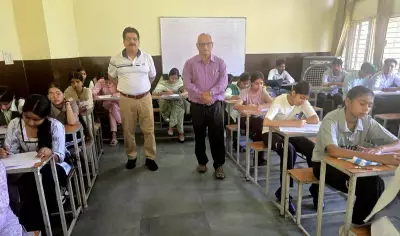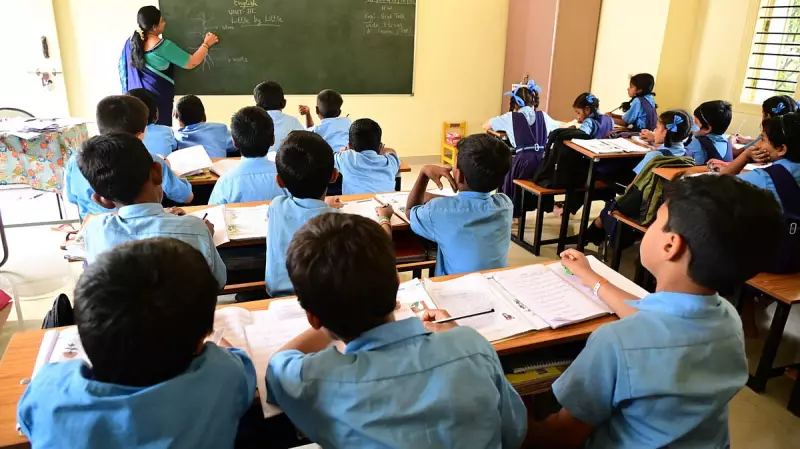
In a remarkable display of community-driven change, a small village in Maharashtra's Yavatmal district has launched a simple yet powerful initiative to secure the academic future of its children. The village of Pimpalgaon Raja in the Babhulgaon tehsil now enforces a dedicated, undisturbed study hour every evening, signaled by the blare of a siren.
The Birth of a Quiet Revolution
The innovative program, aptly named 'Siren for Study', was officially inaugurated on February 15, 2024. The brainchild of local social worker Kishor Tupe, the idea gained immediate traction and support from Sarpanch Rameshwar Thakre and the entire village council. The concept is straightforward but transformative: a siren sounds at 7 PM every evening, marking the beginning of a one-hour period where the entire village prioritizes silence and study.
During this sacred hour, all village activities that could cause disturbance are voluntarily halted. Shops lower their shutters, television volumes are turned down, and social gatherings pause. The community collectively commits to providing a noise-free environment, allowing students to concentrate fully on their books and homework without distraction.

Community Mobilization and Immediate Impact
The initiative required and received full-scale community mobilization. Before the launch, Tupe and the gram panchayat conducted extensive awareness campaigns, explaining the long-term benefits of dedicated study time for the village's youth. The response was overwhelmingly positive, with residents from all walks of life pledging their cooperation.
The results have been tangible and swift. Parents and teachers report a significant improvement in students' concentration and discipline. The ritual of the siren has created a structured routine, helping children develop consistent study habits. Early indicators suggest a positive impact on academic performance, with students feeling more prepared for their upcoming board and competitive exams.
A Model for Rural Educational Empowerment
The 'Siren for Study' program in Pimpalgaon Raja transcends being merely a local event; it presents a scalable model for rural educational empowerment. It demonstrates how a low-cost, high-community-involvement solution can address a universal challenge: creating a conducive learning environment at home.
The initiative tackles a critical gap in rural education, where household responsibilities, agricultural work, and the lack of a quiet space often hinder academic progress. By making education a shared community responsibility, the village is investing directly in its own future. The program fosters a culture that values learning and positions academic success as a collective achievement.
Local leaders envision this as a sustained effort, not a short-term campaign. The gram panchayat plans to monitor progress and may consider extending the study hour during crucial examination periods. The success in Pimpalgaon Raja is already sparking conversations in neighboring villages, which are now looking to replicate this novel, effective model to brighten their students' prospects.