Beyond SMS Alerts: Are Parental Notifications Truly Improving Education in Jalandhar?
In Jalandhar, a growing trend among schools involves sending SMS alerts to parents whenever a student is absent from class. This initiative aims to foster better communication between educational institutions and families, with the goal of improving student attendance and, by extension, educational outcomes. However, as this practice becomes more widespread, educators and parents are engaging in a critical debate: are these automated messages sufficient to drive meaningful change in the education system, or do they merely scratch the surface of deeper issues?
The Rise of SMS-Based Monitoring Systems
Many schools in Jalandhar have adopted technology-driven systems that automatically generate and send SMS alerts to parents the moment a student is marked absent. Proponents argue that this real-time notification empowers parents to take immediate action, whether by checking on their child's well-being or addressing potential truancy. The system is often touted as a step towards greater transparency and accountability in the educational process, bridging the gap between school and home environments.
Supporters highlight that such alerts can lead to increased parental involvement, which studies have linked to better academic performance and reduced dropout rates. By keeping parents informed, schools hope to create a collaborative atmosphere where families are active participants in their children's education, rather than passive observers.

Criticisms and Limitations of the Approach
Despite its popularity, the SMS alert system faces significant criticism from various stakeholders. Critics point out that while notifying parents about absences is useful, it does little to address the root causes of why students might be missing school. Factors such as socioeconomic challenges, lack of access to resources, mental health issues, or inadequate teaching methods often go unaddressed by a simple text message.
Moreover, some educators warn that over-reliance on technology could lead to a superficial approach to education, where the focus shifts from holistic development to mere attendance tracking. There are concerns that this might create a punitive environment, where students and parents feel pressured rather than supported, potentially exacerbating stress and disengagement.
Expert Opinions and Alternative Solutions
Education experts in Jalandhar suggest that while SMS alerts can be a helpful tool, they should be part of a broader, more comprehensive strategy. Recommendations include:
- Enhanced Counseling Services: Providing students with access to counselors who can address underlying issues affecting attendance, such as bullying or family problems.
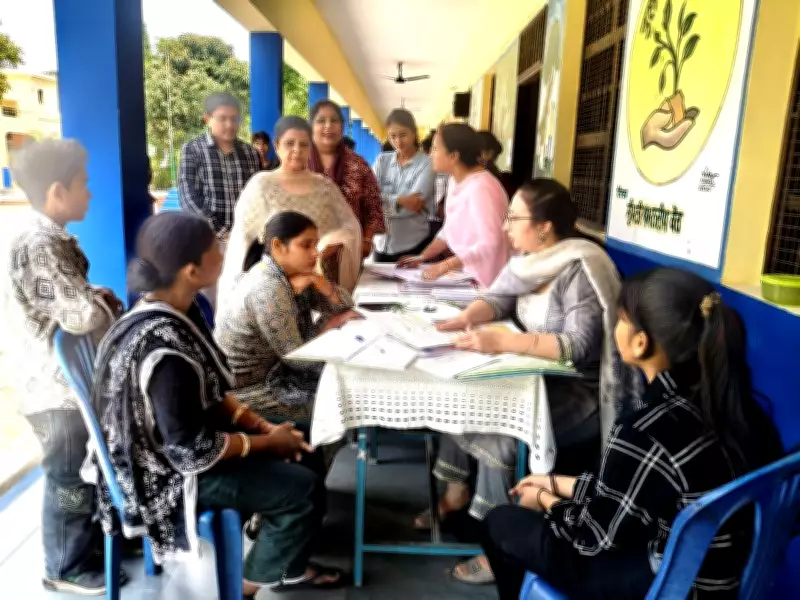
- Parent-Teacher Meetings: Regular, in-person interactions that go beyond digital notifications to build stronger relationships and discuss academic progress in depth.
- Curriculum Improvements: Updating teaching methods and materials to make learning more engaging and relevant, thereby reducing absenteeism due to boredom or lack of interest.
- Community Involvement: Engaging local communities in educational initiatives to create a supportive ecosystem for students.
These measures aim to tackle education holistically, rather than relying solely on technological fixes. Experts emphasize that true improvement requires addressing both the symptoms and causes of educational challenges.
Looking Ahead: The Future of Education in Jalandhar
As Jalandhar continues to explore ways to enhance its education system, the debate over SMS alerts serves as a microcosm of larger discussions about innovation versus tradition. While technology offers efficiency and immediacy, it must be balanced with human-centric approaches that consider the diverse needs of students.
The key takeaway is that parental notifications, though beneficial, are not a panacea. A multi-faceted approach, combining alerts with proactive support systems, is likely to yield more sustainable improvements in education quality and student success.