How Students Can Transform Parent-Teacher Meetings into Personal Growth Opportunities
While parent-teacher meetings (PTMs) traditionally serve as forums for discussing a child's academic progress with parents, they hold another crucial function that directly benefits the student themselves. By actively participating in these events, children gain a valuable opportunity to evaluate their own classroom performance, reflect upon their skills and strengths, and identify specific areas requiring improvement.
The Transformative Benefits of Student Involvement
When students engage meaningfully with the PTM process, they experience significant developmental advantages. This active participation increases pupil confidence while simultaneously reducing anxiety and stress levels associated with academic evaluation. Furthermore, it fosters an essential sense of personal responsibility that extends beyond the classroom into broader life contexts.
Practical Preparation Steps for Students
1. Reflection on Personal Performance

Prior to the meeting, students should dedicate time to reflect upon their academic performance and achievements across multiple dimensions. This includes evaluating study habits, classroom behavior, subject mastery, and extracurricular involvement. To facilitate this process, children can ask themselves fundamental questions such as: What subjects or skills do I excel at? Where do I need improvement? How do I contribute positively to the classroom environment? This reflective practice enhances personal responsibility and ensures students better understand the teacher's feedback during the meeting.
2. Organization of School Materials
One of the most practical preparation methods involves organizing all school-related materials. Students should systematically arrange their notebooks, completed homework assignments, graded tests, project materials, and any other relevant documentation. This organization serves multiple purposes: it creates a positive impression of diligence, enables quick presentation of work if requested, and helps students identify patterns in their academic performance. The organizational process itself cultivates discipline and helps students notice recurring issues with completed tasks.
3. Developing Communication Readiness
Students should approach PTMs without fear, understanding that these meetings involve both listening and potential speaking opportunities. This means being prepared to receive teacher feedback openly and honestly, even when it addresses areas needing improvement. Simultaneously, students should feel empowered to communicate their own perspectives respectfully—whether discussing subjects they particularly enjoy, challenges they're facing, or ideas for enhancing their learning experience. This balanced approach builds essential communication skills and self-advocacy abilities.
4. Planning Improvement Goals
Rather than viewing PTMs as intimidating evaluations, students should recognize them as collaborative spaces for growth. Children can prepare by considering specific, achievable goals for improvement based on their self-reflection. These might include dedicating more time to challenging subjects, participating more actively in class discussions, or developing better organizational habits. Having concrete goals in mind transforms the PTM from a passive experience into an active planning session for academic development.
5. Cultivating a Positive Attitude
While some nervousness before PTMs is natural, students should consciously work to maintain a positive perspective. These meetings represent opportunities for constructive discussion about progress and potential, not judgmental evaluations of worth. All students have areas where they can improve, and acknowledging this reality helps reduce feelings of inadequacy. By framing PTMs as supportive conversations rather than critical assessments, students can approach them with confidence and openness.

The Broader Impact of Student-Centered PTMs
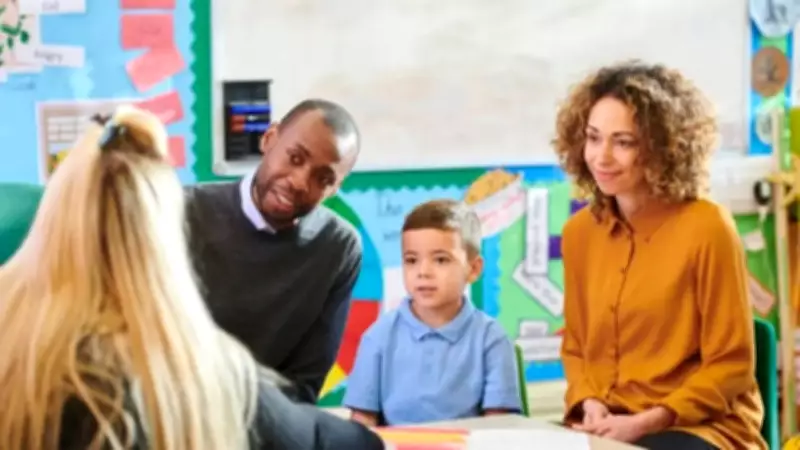
When students embrace these preparation strategies, parent-teacher meetings evolve beyond traditional parent-teacher dialogues into tripartite conversations that actively include the child. This shift creates more meaningful educational partnerships, enhances student accountability, and develops lifelong skills in self-assessment and goal-setting. The confidence gained through this process extends far beyond academic contexts, preparing students for future challenges in higher education and professional environments.
Ultimately, transforming PTMs into student growth opportunities requires intentional preparation and mindset shifts from all participants—students, parents, and teachers alike. By implementing these practical steps, children can maximize the benefits of these important educational checkpoints while developing crucial personal and academic competencies that will serve them throughout their educational journeys and beyond.