UAE Ministry of Education Revises Foundation Stage Age Requirements for British Curriculum Schools
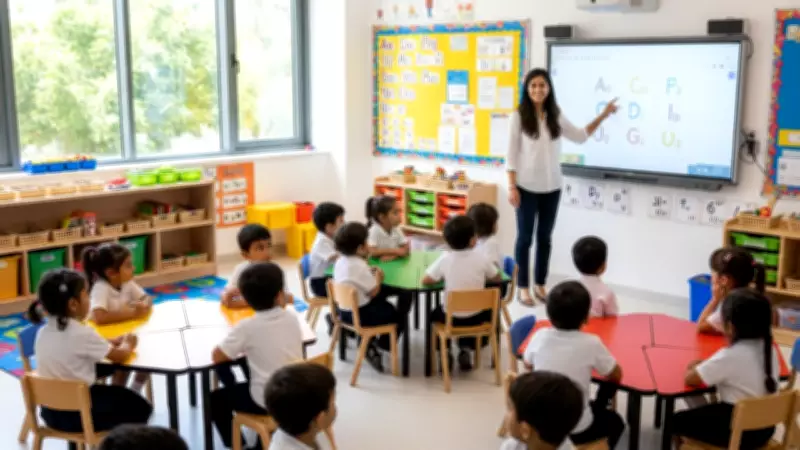
The Ministry of Education in the United Arab Emirates has announced significant updates to enrolment age requirements for the Foundation Stage in private schools that follow the British curriculum. These comprehensive changes introduce new assessment provisions that will take effect from the 2026–2027 academic year onward, marking a substantial shift in early childhood education policy.
Extended Admission Age Cut-off and New Assessment Framework
This important policy revision follows the earlier extension of the school admission age cut-off from August 31 to December 31. This fundamental change shifted eligibility determination from being dependent on the month when the academic year begins to being based on the admission year itself. Under the newly established framework, children born between September 1 and December 31 who have not reached three years of age by the commencement of the academic year will undergo a comprehensive readiness assessment.
This assessment will be conducted by the school in close consultation with parents, ensuring a collaborative approach to determining the child's preparedness for formal education. If the child demonstrates sufficient readiness through this evaluation process, they may join Foundation Stage 1 (FS1) immediately. However, if the assessment indicates the child would benefit from additional time, enrolment in FS1 can be deferred to the following academic year.

Special Transitional Provision for 2022 Birth Cohort
The ministry has established a separate, one-time transitional measure specifically for children born between September 1, 2022, and December 31, 2022, who are not currently enrolled in any educational system. During the 2026–2027 academic year exclusively, schools and parents will work together to determine whether Foundation Stage 1 or Foundation Stage 2 represents the most appropriate placement for these children.
This decision will be based entirely on the school's comprehensive readiness assessment, ensuring each child receives placement tailored to their individual developmental needs. The ministry has emphasized that this transitional provision applies only to this specific birth cohort and will not be extended to subsequent years.
Finality of Placement Decisions and Broader Curriculum Clarifications
The Ministry of Education has made unequivocally clear that once a child is formally enrolled in a specific grade, they cannot be transferred to another grade at any later stage. This policy ensures stability in children's educational journeys and prevents disruptive mid-year changes. Placement decisions will therefore be considered final once the admission process has been completed, providing certainty for both schools and families.
Beyond the British curriculum, the educational authority has also addressed concerns regarding other curricula, particularly relating to children born between September 1 and December 31, 2021, who were not eligible for enrolment during the 2025–2026 academic year. These students will now have the opportunity to register for Kindergarten 1 in the 2026–2027 academic year, ensuring they are not disadvantaged by the previous eligibility criteria.
Educational Objectives and Equal Opportunity Framework
According to official ministry statements, these revised measures are designed with multiple educational objectives in mind. The primary goals include ensuring equal opportunities for all students while simultaneously supporting both their educational readiness and social development. The assessment-based approach acknowledges that children develop at different rates and provides a more flexible framework than rigid age-based cut-offs.
The ministry believes these changes will create a more equitable system that better serves the diverse needs of young learners in the UAE's private education sector. By implementing these reforms gradually with clear transitional provisions, the education authorities aim to minimize disruption while improving educational outcomes for children entering the foundational stages of their academic journeys.