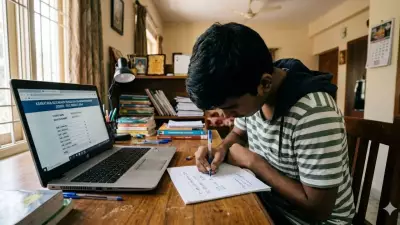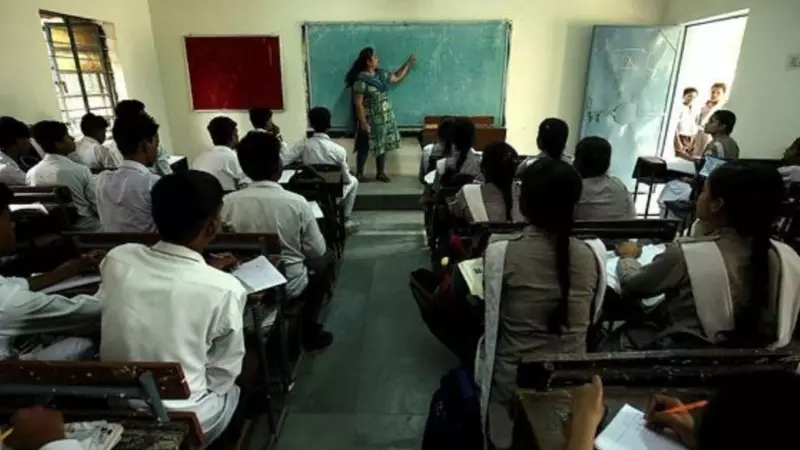
In a significant move to cultivate reading habits and counter the growing screen addiction among children, the Uttar Pradesh government has issued a directive making daily newspaper reading compulsory in all basic and secondary schools across the state. The order, dated December 23, mandates a dedicated 10-minute slot for 'news reading' during the morning assembly.
A Holistic Push for Reading and Awareness
The government's directive aims to foster a "strong reading culture" and "curb excessive screen time." It emphasizes that students should engage with reputed Hindi and English newspapers, discussing local issues and development projects to build a stronger connection with their community. This initiative is seen as a step towards nurturing responsible and well-informed citizens.
This latest order builds upon a previous directive from November 7, which highlighted the benefits of reading. The government has now made newspapers, alongside books, a compulsory part of the daily school routine. The comprehensive plan outlines multiple benefits and structured activities to integrate newspaper reading into the educational fabric.

Key Components of the New School Directive
The government has laid out a detailed framework for implementation. Every school and library must provide easy access to quality newspapers in Hindi and English. During the morning assembly, students will take turns reading aloud key excerpts from editorials and positive news from national, international, and sports sections.
Furthermore, each day, five new or challenging words from the newspaper will be selected, their meanings explained, and displayed on school boards alongside the 'Thought of the Day.' To encourage practical learning, students will be motivated to create their own monthly or quarterly school newspaper or magazine, managed and edited by student teams.
For senior students (Classes 9-12), the order encourages writing original views on editorial topics or participating in group discussions once a week. Junior students (Classes 6-8) will be tasked with creating scrapbooks by cutting out interesting news items on science, environment, and sports. Weekly competitions for solving Sudoku, crosswords, or quizzes from newspapers will also be organized to enhance logical thinking.
Envisioned Benefits: From Vocabulary to Civic Sense
The government circular elaborates on the multifaceted advantages of this initiative. It states that regular newspaper reading strengthens general knowledge and current affairs awareness, which is crucial for competitive exams. It also improves vocabulary, language skills, and writing ability by exposing students to diverse articles and editorials.
Compared to digital screens, reading physical newspapers is noted to improve focus and patience. The government also highlighted that newspapers help students stay informed about local communities and public projects, linking local developments to national and global issues. Human-interest stories and reports on social issues are expected to nurture empathy and social responsibility.
The order points out that features like Sudoku and crosswords train the mind in logical thinking and problem-solving. Importantly, it facilitates "accidental learning" by exposing students to topics like science, culture, and sports beyond their personal interests, thereby broadening their overall knowledge base.
Libraries, Book Gifts, and a Cultural Shift
Extending the reading campaign beyond newspapers, the government has instructed schools to organize exposure visits to libraries to familiarize students with their services. The earlier November order promoted activities like issuing at least one non-syllabus book per student weekly and having them present summaries in assemblies.
In a novel move, the government has proposed the "No Bouquet, Only Book" campaign, where books will replace trophies or mementos as prizes at school events. Other suggested activities include dedicated time for book reviews, encouraging students to write and illustrate their own stories, and using creative methods like puppets and role-play for storytelling. Theme-based reading activities on subjects like the Constitution, environment, and art are also recommended.

The overarching goal, as stated in the order, is to create a decisive shift away from mobile phones and social media towards books, enhancing students' intellectual and logical abilities while building a deeper, lasting interest in reading.