UP Minister Inaugurates Two-Day Workshop on Menstrual Hygiene Awareness
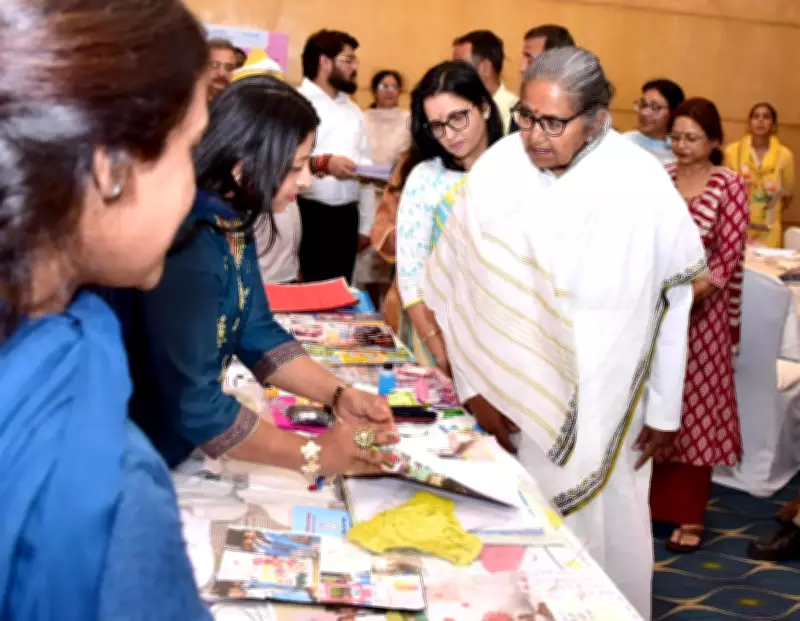
Secondary Education Minister Gulab Devi officially inaugurated a comprehensive two-day workshop in Lucknow on Tuesday, aimed at raising critical awareness about menstrual hygiene among educators and communities. The initiative represents a significant step forward in addressing health and social issues surrounding menstruation in Uttar Pradesh's educational system.
Minister's Directives to Teachers and Mothers
During the inauguration, Minister Gulab Devi issued clear directives to participating teachers, emphasizing the importance of effective communication with female students regarding menstrual health. The minister specifically requested that teachers extend invitations to mothers of students in classes IX and X, ensuring that both students and their guardians receive proper education about menstrual hygiene and the associated health risks.
"This dual approach targeting both students and their mothers is designed to create a supportive home environment that complements school-based education," explained an official familiar with the program's objectives.

Comprehensive School Health Framework
Director General of School Education Monika Rani outlined a multi-faceted approach that schools should implement to support menstrual health. The framework includes several critical components:
- Promoting proper toilet hygiene and maintenance
- Regular monitoring of girls' hemoglobin levels
- Focusing on nutritional support and education
- Providing information about the Protection of Children from Sexual Offences (POCSO) Act
- Ensuring safe disposal mechanisms for sanitary napkins
This comprehensive strategy addresses not only physical health aspects but also legal protections and environmental considerations related to menstrual hygiene management in educational settings.
Statewide Participation and Implementation
The workshop's second phase featured participation from two female teachers representing each district across nine key divisions of Uttar Pradesh: Agra, Aligarh, Basti, Chitrakoot, Jhansi, Mirzapur, Moradabad, Kanpur, and Saharanpur. Each district delegation consisted of one teacher from a government school and another from the District Education and Training Institute (DIET), ensuring both practical classroom experience and teacher training perspectives were represented.
This structured participation model is designed to create a multiplier effect, with trained teachers returning to their districts to disseminate knowledge and implement best practices across their respective educational communities.
Broader Program Objectives and Social Impact
Organized under the Samagra Shiksha initiative, the workshop forms part of a larger effort to transform social attitudes and educational environments. Program officials highlighted three primary objectives:
- Eliminating persistent social stigmas and taboos associated with menstruation
- Building confidence and self-esteem among adolescent girls
- Creating safe, respectful, and supportive educational environments where girls can thrive without menstrual-related barriers
"By addressing both the practical and social dimensions of menstrual health, we're working toward creating educational spaces where every girl feels supported and empowered," added the official.
The workshop represents a coordinated effort between government education departments, training institutes, and community stakeholders to normalize conversations about menstrual health while implementing concrete support systems within Uttar Pradesh's school infrastructure.