In a significant move aimed at fostering national integration and strengthening cultural bonds, the Uttar Pradesh government has unveiled plans to introduce regular Tamil language classes in its schools and colleges. This initiative seeks to promote linguistic diversity and connect students in India's most populous state with the rich heritage of South India.
Bridging North-South Cultural Divide
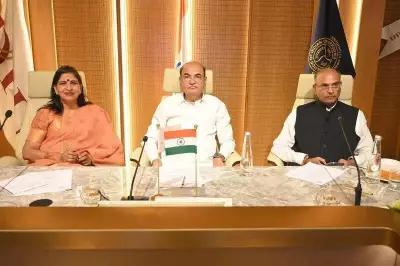
The decision was announced by the Uttar Pradesh Minister for Secondary Education, Gulab Devi, following a high-level meeting in Lucknow. The proposal involves integrating Tamil as a subject within the formal curriculum of state-run and aided educational institutions. This is not intended as a temporary or optional activity, but as a structured, graded program for students.
The government has directed officials to prepare a detailed roadmap for implementing Tamil language instruction. This plan will cover aspects such as curriculum design, textbook preparation, and, crucially, the recruitment and training of qualified Tamil teachers. The state education department is tasked with executing this ambitious project in a phased manner.

A Step Towards "Ek Bharat, Shreshtha Bharat"
This initiative is firmly aligned with the central government's "Ek Bharat, Shreshtha Bharat" (One India, Great India) campaign, which encourages mutual cultural appreciation between different states. By learning Tamil, students in Uttar Pradesh will gain direct access to one of the world's oldest classical languages and a vast repository of literature, music, and philosophy.
Officials highlight that this move goes beyond symbolic gestures. It represents a concrete effort to build bridges between the northern and southern regions of India, often perceived as culturally distinct. Understanding a language is seen as the first step towards understanding a people and their culture, potentially reducing regional stereotypes and fostering a stronger sense of national unity.
Implementation and Future Roadmap
The initial focus will likely be on introducing Tamil at the secondary school level (classes 9 to 12), with possibilities for expansion to higher education colleges and potentially even primary grades later. The government is considering collaboration with educational experts and institutions from Tamil Nadu to ensure the quality and authenticity of the language program.
This decision has been welcomed by educationalists and cultural advocates. They argue that in an increasingly interconnected India, multilingualism is a valuable skill. Learning Tamil, a Dravidian language with a rich literary history, will not only broaden the horizons of UP students but also enhance their future academic and professional opportunities, especially in a pan-Indian context.
The plan signifies a progressive shift in state education policy, traditionally focused on Hindi, English, and Sanskrit. It acknowledges the importance of India's linguistic pluralism and positions Uttar Pradesh as a state actively investing in the cultural literacy of its next generation. The success of this initiative will depend on effective planning, resource allocation, and sustained commitment from the state administration.