UPSC Mains Answer Practice GS 1: Analyzing Refugee Crises and Cultural Unity
Are you gearing up for the Civil Services Exam 2026? This week's UPSC Mains answer practice focuses on General Studies Paper 1, offering two pivotal questions to hone your analytical skills. Dive into the social, cultural, and demographic challenges of protracted refugee situations and explore how cultural exchanges rooted in shared heritage can bolster national integration. Written by Nitendra Pal Singh from New Delhi on January 24, 2026, this practice session is designed to enrich your preparation with essential insights and structured thought processes.
Question 1: Discussing Protracted Refugee Situations in Developing Nations
Relevance: In today's global landscape, protracted refugee situations pose severe challenges, particularly in developing countries that often grapple with limited resources and infrastructure. The Rohingya refugee crisis in Bangladesh serves as a poignant example, highlighting the multifaceted impacts of long-term displacement.
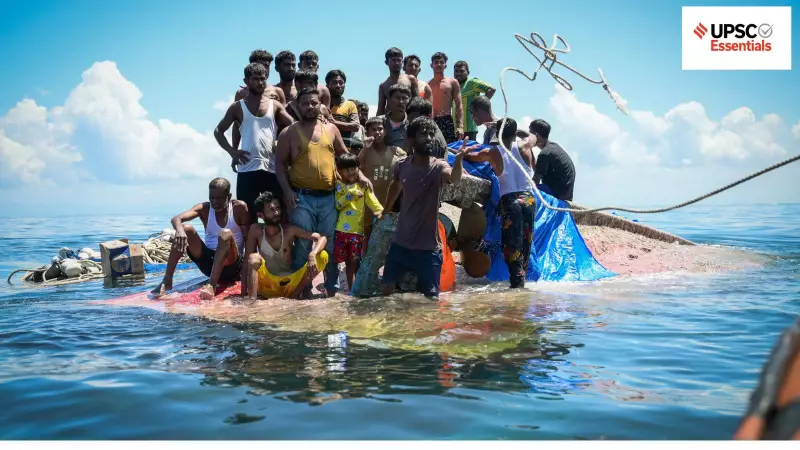
Introduction: Protracted refugee situations, as defined by UNHCR, involve 25,000 or more refugees in exile for over five years. These scenarios create significant social, cultural, and demographic hurdles, especially in developing nations like Bangladesh, where over 1 million Rohingya refugees reside in makeshift camps in Cox's Bazar following the 2017 migration.

Body: You may incorporate the following points to craft a comprehensive answer:
- Social Challenges: Long-term refugee influxes strain local infrastructure, leading to overcrowding in camps such as Ukhiya and Teknaf, which rank among the world's most densely populated areas. This exacerbates issues in health, education, housing, and sanitation systems.
- Cultural Challenges: Displacement disrupts inter-generational cultural continuity, as refugees struggle to preserve their traditions and identities in foreign environments. Cultural differences between host communities and refugees can foster animosity, replacing initial solidarity with tension over resource sharing.
- Demographic Challenges: The significant increase in refugee populations results in severe overcrowding, heightened demand for basic necessities like food and water, and disruptions to local labor markets. In Cox's Bazar, the influx of desperate labor has driven down wages for impoverished locals, while camp construction has caused deforestation and environmental degradation, increasing vulnerability to natural disasters.
- Illustration with Rohingya Refugees: The Rohingya crisis exemplifies these challenges, with reports of mass atrocities, including genocide allegations at the International Court of Justice. The lack of formal employment and travel restrictions has spurred criminal activities like drug trafficking, while environmental impacts include loss of biodiversity and heightened flood risks.
Conclusion: A ruling by the International Court of Justice on Myanmar's violations of the Genocide Convention could strengthen legal protections for refugees, influencing asylum policies and reinforcing states' obligations under international law. For the Rohingya, this represents a critical battle for recognition and justice in a cycle of impunity.
Question 2: Cultural Exchanges and National Integration
Relevance: In a diverse society like India, cultural exchanges based on shared civilisational heritage play a vital role in fostering emotional integration and national unity. The Kashi-Tamil Sangamam initiative launched in 2022 exemplifies this, bridging regional divides through cultural, linguistic, and spiritual connections.
Introduction: Cultural exchanges rooted in shared heritage are essential for promoting national integration in India's varied social fabric. The Kashi-Tamil Sangamam, a government-led effort, aims to renew ancient ties between Tamil Nadu and Kashi (Varanasi), with the 2025 edition focusing on Tamil language learning under the theme "Let Us Learn Tamil – Tamil Karkalam."
Body: Consider these points for a nuanced discussion:

- Promoting Unity: The Sangamam celebrates India's cultural confluence without erasing diversity, aligning with the "Ek Bharat, Shreshtha Bharat" spirit. It includes events like the Sage Agastya Vehicle Expedition, which featured health camps and academic seminars, honoring historical figures like King Adi Veera Parakrama Pandiyan.
- Youth Participation: Hundreds of young people engage in the Sangamam, strengthening their connection to heritage and enhancing emotional integration through activities like exhibitions at Namo Ghat and cultural performances.
- Technological and Logistical Support: The initiative leverages technology to overcome language barriers and includes special train services by Indian Railways, making the journey from Tamil Nadu to Uttar Pradesh accessible and memorable.
- Impact on National Integration: The Sangamam has boosted cultural understanding, facilitated academic exchanges, and built lasting inter-regional relationships, as seen in festivals like Sankranti and Pongal that unite communities across India.
Conclusion: The Kashi-Tamil Sangamam has achieved significant outcomes in deepening cultural bonds and fostering unity, demonstrating how shared heritage can bridge divides in a diverse society. This spirit of harmony is reflected in various aspects of Indian life, from literature to festivals, reinforcing national cohesion.
Points to Ponder: Reflect on how refugee inflows affect local systems and cultural continuity, and consider the role of youth in strengthening integration through cultural exchanges. These insights can enrich your answers and prepare you for related UPSC questions.