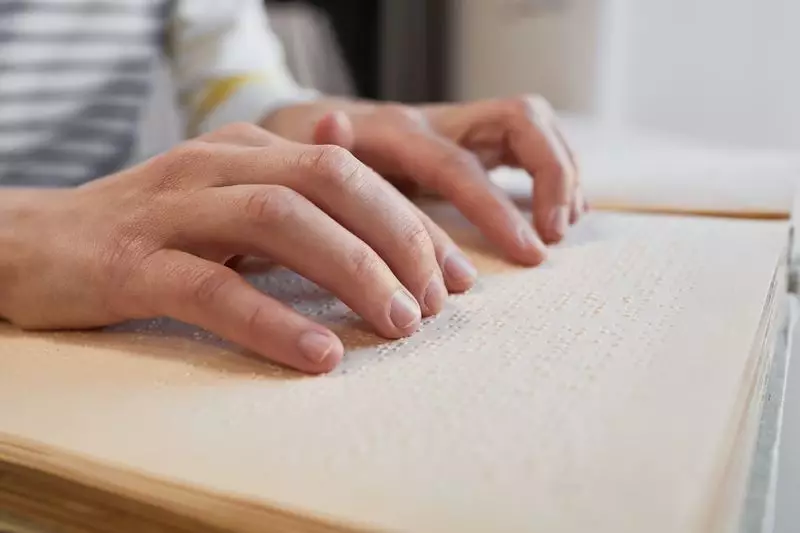
In a significant stride towards inclusivity, the government of Uttar Pradesh has inaugurated the state's first-ever Braille library. This landmark facility was officially opened in the capital city of Lucknow, marking a new chapter in accessible education and resources for the visually impaired community.
A Vision for Inclusive Access
The library was launched by the state's Minister for Social Welfare, Asim Arun. The event, held on a notable Wednesday, saw the participation of key officials and members of the visually impaired community. The establishment of this library fulfills a long-standing demand and represents a core part of the government's commitment to creating an enabling environment for all citizens.
Located within the premises of the State Central Library in Hazratganj, the Braille library is not just a repository of books but a dedicated center for learning and empowerment. The initiative aims to bridge the information gap and provide equal opportunities for education and personal growth to those with visual disabilities.

Resources and Technological Support
The library boasts an impressive initial collection of more than 500 books transcribed into Braille. This collection spans a diverse range of genres to cater to various interests and educational needs. Furthermore, understanding the importance of digital accessibility, the facility is equipped with modern technology.
Patrons will have access to computers installed with specialized screen reading software like JAWS (Job Access With Speech). This software converts text on the screen into synthesized speech or refreshable Braille, allowing users to navigate digital content independently. The library also provides DAISY (Digital Accessible Information System) players, which are designed to play audio books in a navigable format, making it easier to access lengthy texts and educational material.
Impact and Future Implications
The opening of this library is more than just the launch of a new building; it is a powerful symbol of social inclusion. For students, professionals, and avid readers from the visually impaired community in Uttar Pradesh, it opens doors to knowledge that were previously difficult to access. It promises to be a hub for competitive exam preparation, literary exploration, and skill development.
This initiative by the Uttar Pradesh government sets a precedent for other states to follow. It highlights the critical need for accessible infrastructure in public services and education. By providing these specialized resources, the state is actively working to ensure that the visually impaired are not left behind in the pursuit of knowledge and information.
The library's establishment in Lucknow is expected to serve as a model, potentially leading to the creation of similar facilities in other districts. It stands as a testament to the progress being made in building a more equitable society where accessibility is considered a fundamental right, not a privilege.