West Asia Conflict Disrupts CBSE Board Exams Across Gulf, Leaving Thousands in Limbo
The ongoing crisis in West Asia has severely disrupted Central Board of Secondary Education (CBSE) board examinations across Gulf countries, plunging thousands of Indian students and their families into a state of deep uncertainty and anxiety over how results will now be declared. This sudden upheaval has raised critical questions about academic evaluations and future opportunities for students in the region.
Immediate Cancellations and Widespread Concern
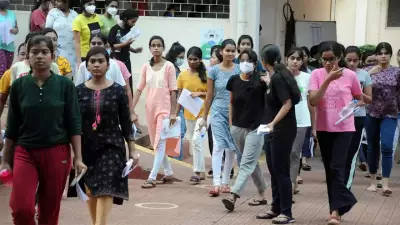
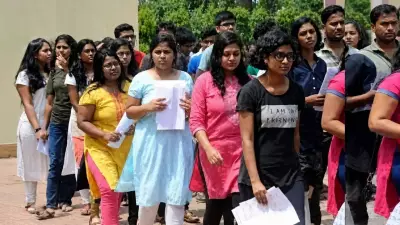
In a circular issued on Sunday, CBSE announced the cancellation of all Class 12 board exams scheduled between March 16 and April 10, 2026, for students in Bahrain, Iran, Kuwait, Oman, Qatar, Saudi Arabia, and the United Arab Emirates. Additionally, the board cancelled the remaining Class 10 exams in these countries. However, CBSE has not yet provided any details on how grades for both Class 10 and 12 will be prepared, leaving a significant information vacuum.
Advocate PA Hameed Padubidri, based in Saudi Arabia, highlighted the profound impact of this disruption. He emphasized that board exams are decisive for many students in the Gulf, as they directly influence college admissions and long-term career opportunities. The lack of clarity over the next steps has exacerbated stress among students who have dedicated months to rigorous preparation.

Voices from the Ground: Parents and Students Speak Out
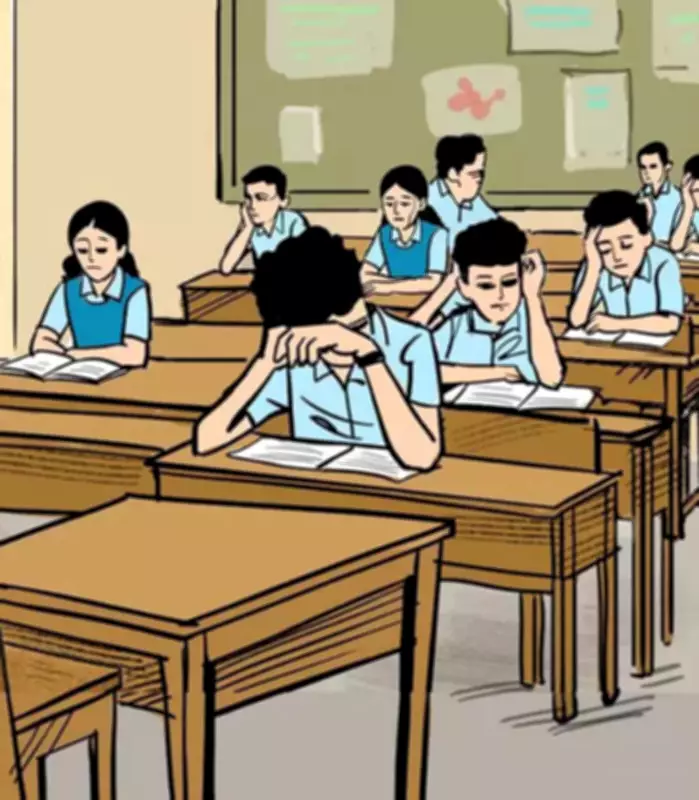
Parents and students are urgently appealing to CBSE not to rely on pre-board marks for evaluation, fearing that such an approach may not accurately reflect their efforts and capabilities. Sarvotham Shetty, a board of governor at Abu Dhabi Indian School, which enrolls approximately 12,000 Indian students, expressed that the primary concern is the absence of clear direction from authorities. Families at the school are actively seeking specifics on how marks will be awarded and what processes will be followed post-cancellation.
The uncertainty has also reverberated online following CBSE's announcement on X. Priya Rajagopal, a Class 10 student, requested clarity on the number of cancelled subjects, while Riju Shrivastava warned that students' hard work risks going unrecognized, drawing parallels to the 2021 batch affected by the Covid-19 pandemic. Aashish Tulsaan underscored the critical importance of results for university admissions, calling for a fair and transparent evaluation process to ensure justice for all affected students.
Exam Status and Regional Impact
In Saudi Arabia alone, where around 37 CBSE-affiliated schools operate, the disruption has left many exams incomplete. For instance, commerce students have already taken accountancy and physical education papers, but English, business studies, and economics exams remain pending. Humanities students have completed English and some optional subjects, while science students have appeared for physics and certain optional papers, leaving their academic journeys in a state of suspension.
This situation not only affects immediate academic outcomes but also has broader implications for the educational landscape in Gulf countries, where Indian expatriate communities heavily rely on CBSE for standardized schooling. The crisis underscores the vulnerability of international education systems to geopolitical tensions and the urgent need for contingency planning.
As the West Asia conflict intensifies, with recent developments including US strikes and escalating rhetoric, the fallout on education highlights a critical, often overlooked aspect of such crises. Stakeholders are now awaiting further announcements from CBSE, hoping for a resolution that prioritizes student welfare and academic integrity in these challenging times.