Budget 2026 Delivers Relief for Overseas Education Aspirants with TCS Rate Reduction
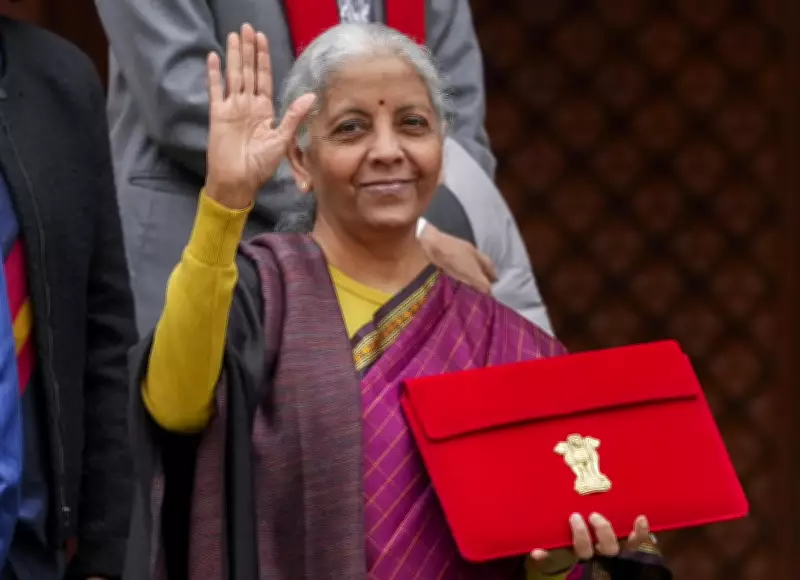
In a significant move aimed at supporting Indian families pursuing international education, Finance Minister Nirmala Sitharaman presented the Union Budget for 2026-27 on February 1, 2026. Among the key announcements was a substantial reduction in the Tax Collected at Source (TCS) rate applicable to remittances made under the Liberalised Remittance Scheme (LRS) for educational and medical purposes.
Understanding the TCS Mechanism and Its Impact
Tax Collected at Source is a regulatory mechanism where authorized dealers, typically banks, collect a predetermined percentage of funds when individuals remit money overseas. This collection is governed by the Reserve Bank of India's Liberalised Remittance Scheme framework. Importantly, TCS is not an additional tax burden but rather an advance collection that gets credited against the individual's total income tax liability when filing returns. Any excess amount collected beyond the actual tax due is refunded to the taxpayer.
However, the refund process often involves considerable time delays, resulting in families having substantial amounts of money locked away for months while arranging tuition fees or blocked account requirements for overseas education. This temporary financial constraint has been a persistent challenge for middle-income households planning international studies for their children.

Key Changes Introduced in Budget 2026
Under the previous regulations, remittances exceeding ₹10 lakh under LRS for educational purposes attracted a TCS rate of 5 percent. Finance Minister Sitharaman announced a reduction of this rate to just 2 percent, specifically stating: "I propose to reduce the TCS rate for pursuing education and medical purposes under the Liberalised Remittance Scheme from 5 percent to 2 percent."
This policy revision applies to all remittances above the ₹10 lakh threshold and encompasses both self-funded transfers and payments supported by educational loans. The move builds upon earlier relief measures introduced in Union Budget 2025, which exempted TCS on education remittances made through loans from specified financial institutions.
Liberalised Remittance Scheme: Scope and Parameters
The Liberalised Remittance Scheme permits Indian residents to remit up to USD 250,000 per financial year for approved personal purposes, which include education, travel, medical treatment, gifts, and investments. Over time, the government has adjusted both thresholds and rates for different categories, with educational remittances eventually settling at the 5 percent levy on amounts exceeding ₹10 lakh before this latest revision.
Practical Implications for Students and Families
For countless Indian families navigating the complex financial landscape of international education, this reduction represents meaningful relief. Consider the example of Germany, where students typically need to maintain over ₹12 lakh in a blocked account to demonstrate financial capability. Previously, transferring this amount would have required paying a substantial TCS that remained inaccessible until tax refunds were processed.
With the revised 2 percent rate, families will now need to allocate significantly less capital at the time of remittance. While TCS remains adjustable against final tax liability, the immediate cash outflow has consistently been a concern—particularly for middle-income households managing multiple financial commitments.
Contextual Significance and Broader Trends
The timing of this policy intervention is particularly noteworthy. Recent Reserve Bank of India data indicates that outward remittances for education witnessed a sharp decline towards the end of 2025, dropping to USD 120.94 million in November—representing a 26 percent decrease from October and more than 54 percent lower than September figures. This trend suggests growing financial conservatism among Indian families considering overseas education options.
Simultaneously, education loan disbursals by public sector banks have shown consistent growth, increasing by approximately ₹13,000 crore between FY 2019-20 and FY 2023-24. This indicates sustained demand for international education despite mounting cost pressures and economic uncertainties.

A Measured Step Toward Enhanced Affordability
While this policy adjustment does not eliminate the overall tax burden—since TCS amounts remain adjustable—it substantially improves cash flow management for students and their families during critical phases of the overseas education journey. For many aspirants, this difference could determine whether their academic plans proceed smoothly or face disruptive delays.
In a global education environment characterized by steadily rising costs, Union Budget 2026 has provided a measure of breathing space for Indian families. The TCS rate reduction may not address every financial challenge associated with studying abroad, but it effectively lowers an immediate barrier at a crucial juncture in the process.
For India's expanding community of international students and their families, this targeted relief could prove instrumental in transforming educational aspirations into tangible realities, making overseas education more accessible despite prevailing economic headwinds.