Study Abroad Reality Check: Weather, Finances & PR Traps Exposed for 2026
For countless Indian students dreaming of overseas education, the prospect of studying abroad represents both excitement and anxiety. As 2026 approaches, the landscape for international education has transformed dramatically, raising critical questions about whether the investment remains worthwhile. An experienced Indian expat with twelve years of living abroad shares five essential truths every prospective student must confront before making this life-changing decision.
The Climate Factor: More Than Just Weather
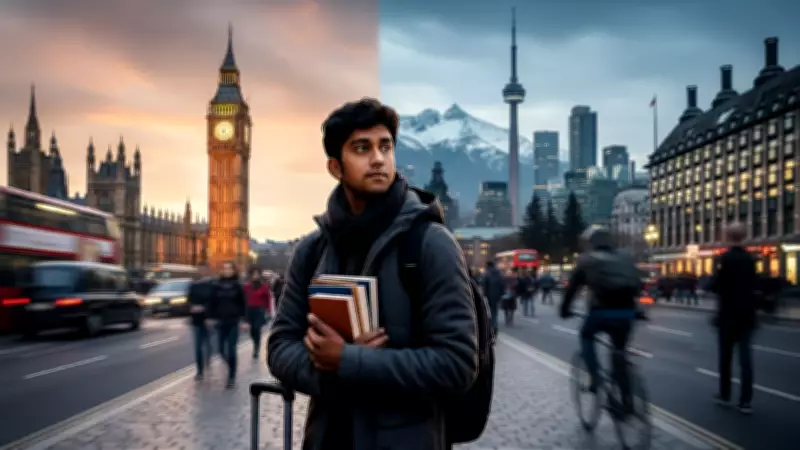
What might seem like a minor consideration can profoundly impact your mental health and academic performance. The transition from India's climate to extreme conditions in countries like Canada presents significant challenges. Seasonal Affective Disorder (SAD) during harsh winters can dramatically affect productivity and mood, as experienced by students who move from cities like Mumbai to frigid destinations like Toronto.
Practical adaptation becomes essential – from learning to navigate icy conditions to managing the psychological effects of limited sunlight. Carefully researching the climate of your prospective college location could prevent academic setbacks and ensure you choose an environment conducive to both learning and wellbeing.

Financial Realities: Beyond Tuition Fees
The financial aspect of studying abroad requires brutally honest assessment. With contracting economies in popular destinations like Canada, the UK, Ireland, New Zealand, and Australia, repayment prospects for education loans have diminished significantly. International students often face limited employment opportunities as these countries prioritize local hiring amidst growing political pressures.
The cost of living crisis adds another layer of complexity. Canada currently leads G7 nations in inflation rates, making basic expenses challenging even for local residents. Many Indian students find themselves taking on dangerous gig economy jobs or working exhausting hours in retail positions, struggling to balance demanding academic schedules with financial survival.
The 'Cash Cow' Phenomenon in Western Education
International students from India, Vietnam, China, Mexico, Nigeria, and Ghana contribute billions to Western educational institutions, with Canada alone receiving $37.3 billion from international students in 2022. This financial dependency has created what many describe as a 'cash cow' relationship, where educational quality sometimes takes a backseat to revenue generation.
Prospective students must approach their overseas education with clear academic goals rather than viewing it as merely a pathway to migration. Extracting maximum value from your chosen program requires careful selection and commitment to educational objectives rather than institutional prestige alone.
Academic Challenges: Underestimating Western Universities
A concerning trend among some Indian international students involves underestimating the academic rigor of Western universities. Regardless of educational background – whether IB, HSC, or ISC – the academic challenges at institutions in Canada and the UK often differ significantly from Indian educational experiences.
Top universities in these countries frequently offer programs more demanding than their Indian counterparts, requiring students to approach each academic challenge with appropriate preparation and respect. The growing phenomenon of overconfidence among some Indian students only compounds these difficulties, potentially affecting both individual performance and broader perceptions.
The Permanent Residence Illusion
Perhaps the most difficult truth involves permanent residence aspirations. While countries like Canada actively recruit international students, viewing PR or citizenship as guaranteed outcomes represents a dangerous misconception. Recent protests in Prince Edward Island and Ontario revealed local resentment toward international students and skilled workers, highlighting the precarious nature of immigration pathways.

The reality remains that permanent residence represents a privilege rather than a right, with host countries retaining complete discretion over immigration decisions. Students should select degrees based on genuine interest and career enhancement rather than migration potential alone, recognizing that immigration success remains uncertain despite substantial financial investment.
As 2026 approaches, Indian students considering overseas education must weigh these factors carefully. The romanticized vision of studying abroad often clashes with practical realities involving weather adaptation, financial pressures, academic challenges, and uncertain immigration outcomes. Making informed decisions requires acknowledging these truths while pursuing education that aligns with both personal goals and realistic expectations.