Andhra University's Centenary Recalls 1925 Name Controversy: The Telugu University Proposal
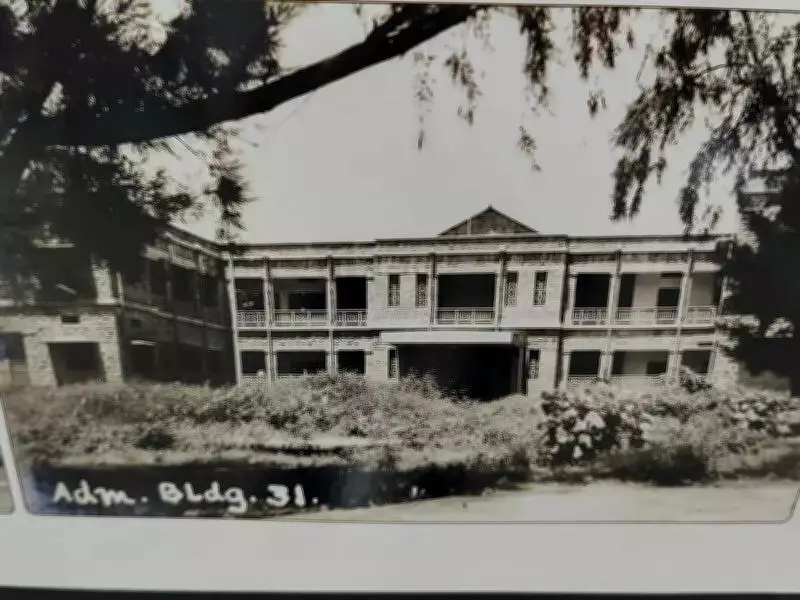
As Andhra University in Visakhapatnam prepares to celebrate its centenary next week, a fascinating historical dispute resurfaces from the archives. The very name of this prestigious institution was once a subject of intense debate in the Madras Legislative Council in 1925, reflecting deeper identity concerns among Telugu-speaking leaders of the era.
The Push for a Separate University and the Naming Conflict
The demand for a separate university for Telugu-speaking regions of the Madras Presidency had been brewing for years. In 1913, the Andhra Mahasabha argued that Telugu language and literature were being neglected, sparking a movement. By 1917, B Venkatapathi Raju moved a resolution in the Madras Legislative Council for Andhra University, proposing additional colleges as an interim step. The council accepted the resolution on September 2, 1921, leading to the introduction of the Andhra University Bill in 1925.
However, during the debates, K V Reddi Naidu introduced a pivotal amendment. He opposed the title 'Andhra University', claiming it carried Aryan connotations and did not accurately represent the Telugu people. Instead, he proposed 'Telugu University' to affirm a shared Dravidian identity and linguistic unity. In his speech, he appealed for solidarity with Tamils, Kannadigas, and Malayalis, urging them not to segregate Telugus as different.

Support and Opposition in the Legislative Council
Reddi Naidu's amendment found support from figures like Rao Bahadur C Natesa Mudaliyar and Ramaswami Mudaliyar. Natesa Mudaliyar argued that 'Telugu' was broader and more inclusive than 'Andhra', noting that Telugu-speaking people were spread from Berhampur to Cape Comorin, beyond traditional boundaries. He emphasized a shared Dravidian identity, stressing that Telugus and Tamils should not be separated culturally or linguistically.
Ramaswami Mudaliyar framed the debate as a fundamental cultural issue, warning that Telugu language and literature were being overshadowed by Sanskrit influence. He criticized the House for underestimating the significance, presenting the amendment as essential for safeguarding linguistic and cultural integrity.
On the opposing side, C Ramalinga Reddi dismissed the emotional intensity, arguing that the distinction between 'Andhra' and 'Telugu' was historically and linguistically overstated. He maintained the region's cultural identity was a mix of Sanskrit and Dravidian influences, making separation unrealistic. A P Patro also opposed, noting that 'Andhra University' was already well-established and widely recognized, with the name formally accepted after thorough debate in the Select Committee.
The Narrow Defeat and Legacy
The 'Telugu University' proposal was narrowly defeated by 26 votes to 24, and the name 'Andhra University' was retained. The institution was inaugurated on April 26, 1926, in Vijayawada. This debate highlights the complex interplay of language, identity, and politics in early 20th-century India, as leaders grappled with defining cultural heritage in a colonial context.
As per the "Proceedings of Madras Legislative Council (1925)", Reddi Nayudu's arguments centered on Telugus being distinct from historical 'Andhras', whom he described as ancient conquerors. He insisted Telugus are fundamentally part of the Dravidian race, a point that resonates in contemporary discussions about regional identities.
This historical episode serves as a reminder of the passionate advocacy for linguistic recognition and the enduring legacy of Andhra University as it marks a century of academic excellence.