Cambridge University Expands Indian Presence with New Research Hub and CBSE Pathway
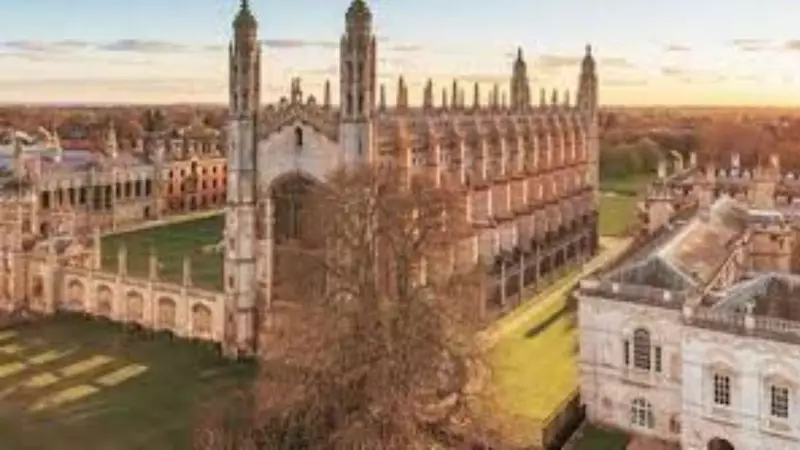
In a significant move to deepen its engagement with India, the University of Cambridge has officially launched the Cambridge-India Centre for Advanced Studies (CAS) and introduced new entry pathways for top-tier undergraduate students from the country. Announced on Tuesday, this initiative marks a major expansion of the university's outreach in India, aiming to serve as a catalyst for intellectual exchange, policy influence, and societal impact.
New Research Hub to Foster Innovation and Collaboration
The Cambridge-India CAS is designed to operate as a central hub for the university's activities in India, focusing on innovation, research, and learning. It will act as a bridge between one of the world's leading universities in the UK and India's rapidly growing knowledge economy. According to Cambridge Vice-Chancellor Deborah Prentice, the centre presents an exciting opportunity to form collaborations with India's best researchers and innovators, thereby strengthening bilateral ties.
CBSE Class 12 Qualification Accepted for Undergraduate Courses
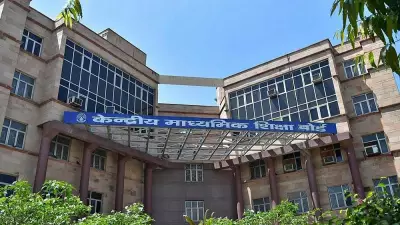
Leading a senior delegation to Delhi this week, Professor Prentice unveiled plans for the CBSE Class 12 qualification to be accepted by Cambridge University for some undergraduate courses, alongside additional requirements. This development is part of broader efforts to make Cambridge more accessible to Indian students and aligns with the university's commitment to nurturing global talent.

Supporting Indian Students and Research Partnerships
In conjunction with the new hub, Cambridge has established the Cambridge India Research Foundation. This company enables members of the public, Cambridge alumni, and other stakeholders to provide funds for bursaries, fees, and other expenses incurred by Indian students studying at Cambridge. It also supports research partnerships, exploring new philanthropic opportunities to fund scholarships for India's most talented students.
UK-India Vision 2035 and Broader Initiatives
Lindy Cameron, the British High Commissioner to India, emphasized that education lies at the heart of UK-India Vision 2035, a shared commitment to nurturing the next generation of global talent. These initiatives are bringing the UK and India's world-class research and education closer together through innovative platforms and channels for collaboration, helping unlock the full potential of the revitalised partnership.
Multi-Sited Centre and Cricket Connections
The Cambridge-India CAS is designed as an umbrella for a range of programmes, building on decades of bilateral partnerships. It will operate as a multi-sited and multi-dimensional centre, acting as a framework for activities across different parts of India without the limits of a specific physical presence. Additionally, as part of other plans announced this week, the Cambridge University Men's Cricket Team will tour India for pre-season warm-up games in March 2026 for the first time in 15 years, with plans for the women's team to visit next year. The university highlighted its historic cricket connections, noting legendary Indian cricketers like Ranjitsinhji and Duleepsinghji as former students.
Historic Links and Future Partnerships
Cambridge University is keen to highlight its strong connections with India, dating back over 150 years. Notable alumni include scientists like Jagadish Chandra Bose and Srinivasa Ramanujan, Nobel laureates such as Subrahmanyam Chandrashekhar and Amartya Sen, former prime ministers like Jawaharlal Nehru and Manmohan Singh, and industry leaders like Sir Dorabji Tata. The university aims to build on these historic links to create dynamic new partnerships with India, fostering a vibrant exchange of knowledge and culture.