

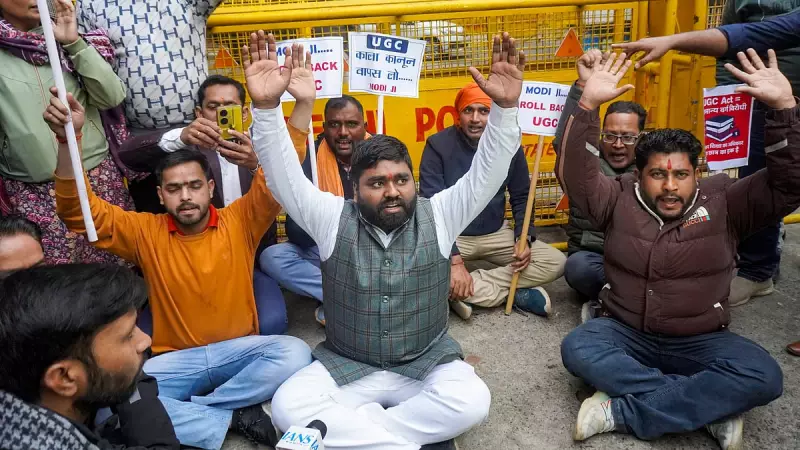
Student Protests Intensify at UGC Office in Delhi Over Equity Rules
In a significant development, student groups have organized protests outside the University Grants Commission (UGC) office in Delhi, demanding a complete rollback of newly introduced equity rules. The demonstrations, which have drawn attention from educational stakeholders across the country, underscore the escalating concerns among students regarding policies that they argue could impact their rights and access to higher education.
Details of the Protests and Student Demands
The protests, characterized by a large gathering of students from various universities and colleges, took place in the capital city, with participants holding placards and chanting slogans to voice their opposition to the equity rules. According to reports, the student groups are calling for an immediate and total withdrawal of these regulations, which they claim could lead to inequitable treatment and hinder academic opportunities for certain sections of the student community.
The core demands of the protesters include:

- A complete rollback of the equity rules as implemented by the UGC.
- Transparency in the formulation of educational policies affecting students.
- Increased consultation with student bodies before introducing such regulations.
- Assurances that the rules will not compromise the principles of fairness and inclusion in higher education.
Background and Implications of the Equity Rules
The equity rules in question have been a point of contention since their introduction, with critics arguing that they may inadvertently create barriers for students from marginalized backgrounds. While the UGC has not released an official statement in response to the protests, sources indicate that the commission is reviewing the concerns raised by the student groups. This situation highlights the broader challenges in balancing regulatory frameworks with the needs and aspirations of the student population in India.
Experts suggest that such protests reflect a growing trend of student activism in response to policy changes that are perceived as top-down or exclusionary. The demonstrations in Delhi are part of a larger movement across the country, where students are increasingly mobilizing to advocate for their rights and influence educational governance.
Response from Authorities and Future Outlook
As the protests continue, authorities are monitoring the situation closely to ensure peace and order. The UGC office in Delhi has become a focal point for these demonstrations, symbolizing the direct engagement between students and regulatory bodies. Moving forward, the outcome of these protests could set a precedent for how similar issues are addressed in the future, potentially leading to revisions in the equity rules or enhanced dialogue between stakeholders.
In conclusion, the student protests outside the UGC office in Delhi represent a critical moment in the ongoing debate over educational equity and student rights. With demands for a complete rollback of the rules, this event underscores the importance of inclusive policy-making and the active role of students in shaping the future of higher education in India.






