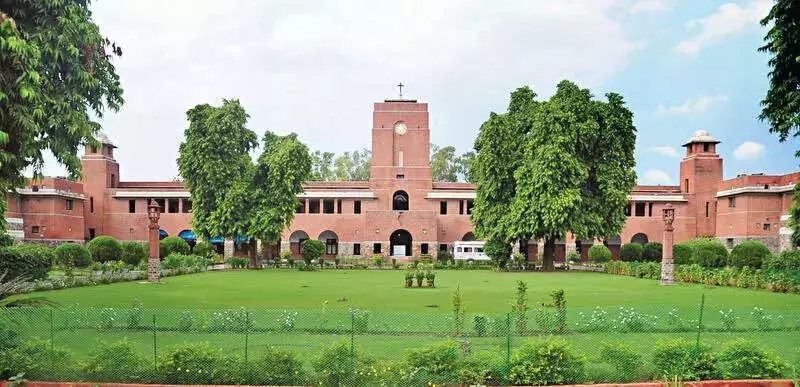
In a significant policy shift, Delhi University (DU) has rolled out stringent new regulations for its teaching staff, making prior approval mandatory for presenting research at academic forums. The move formalizes a process that has sparked debate over academic freedom and administrative oversight within the prestigious institution.
The Core of the New Regulatory Framework
The revised procedure, approved by the Vice-Chancellor using emergency powers on November 12, introduces multiple layers of scrutiny. Faculty members seeking travel allowance or permission to attend national or international seminars, conferences, or symposiums must now comply with a detailed set of requirements.
Under the new guidelines, applicants must submit the complete text of the research paper they intend to present. This submission must be accompanied by the official conference brochure or programme schedule and a detailed invitation letter from the organizing institution. Crucially, the application deadline has been set at least two months before the planned travel, a change from previous, more flexible timelines.

Committee Scrutiny and the Precedent Case
A university committee will now evaluate both the academic content of the proposed paper and the credentials of the organizing body. The notification specifies that for events not organized by a university—such as those run by a national academic association—the committee will examine the organizer's standing and the paper's quality before granting permission. Faculty must provide documentary proof to support the organizing body's reputation.
This policy change follows an incident earlier this year where the university denied permission to Professor Apoorvanand Jha from the Hindi department. In April, his application to attend a conference organized by The New School in the US was declined. The administration had asked him to submit his full talk for review, a request he refused. DU subsequently stated it was "unable to grant approval" and indicated that clearance required consultation with the Union Education Ministry. Professor Jha had filed his application over a month before his travel dates.
Post-Event Reporting and Faculty Concerns
The rules extend beyond pre-approval. Upon returning from an event, faculty members are required to submit a written report of the sessions attended and a certificate confirming their presentation. This adds an accountability layer previously absent.
According to faculty members familiar with the old system, the previous procedure did not involve the submission or scrutiny of academic content. The introduction of these checks represents a fundamental change in how the university manages and monitors the external academic engagements of its staff. The move has raised questions about its potential impact on spontaneous academic collaboration and the autonomy of researchers.
While the administration likely views the rules as a measure to ensure quality and appropriate use of funds, the academic community is watching closely to see how this balance between oversight and intellectual freedom will be maintained in practice.