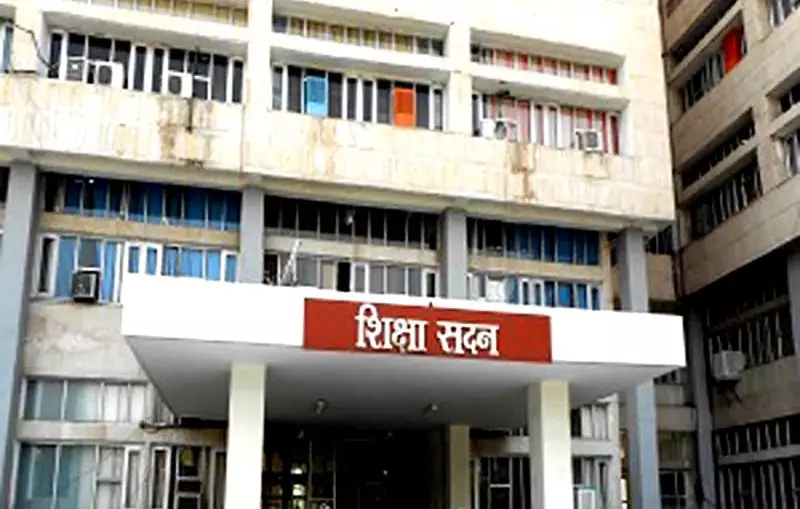
The Department of Higher Education in Haryana has issued a firm directive to all universities and colleges across the state. The order mandates these institutions to actively monitor their official social media accounts to prevent any potential misuse.
Directive from the Higher Education Department
The instructions were formally communicated in an official letter signed by the department's Additional Chief Secretary, Anurag Rastogi. The letter explicitly states that all higher education institutions must ensure their social media platforms are not used in any manner that violates established rules or guidelines.
This move underscores the administration's growing concern over the content shared on institutional handles, which represent the public face of these educational bodies. The directive places the responsibility squarely on the shoulders of the institutions' administrations.

Compliance with UGC Regulations
A key driver behind this order is the need for strict adherence to regulations set forth by the University Grants Commission (UGC). The state department's letter specifically references the "UGC (Redressal of Grievances of Students) Regulations, 2023."
These national regulations are designed to protect student interests and ensure a proper mechanism for addressing their complaints. By linking social media conduct to these rules, the Haryana government aims to create a more accountable and student-friendly digital environment within its educational institutions.
Accountability and Implementation
The directive makes it clear that the heads of the institutions will be held personally accountable for the content posted on their official social media channels. This includes platforms like Facebook, X (formerly Twitter), Instagram, and YouTube.
Institutions are expected to establish robust internal monitoring systems. The goal is to proactively filter and manage content, preventing the posting of any material that could be considered defamatory, inflammatory, or contrary to the ethos of the educational establishment.
The state government has not prescribed a one-size-fits-all monitoring tool, allowing colleges and universities to choose their own methods. However, the expectation of vigilance and compliance is non-negotiable.
Broader Implications for Digital Conduct
This directive is part of a larger trend where educational institutions are being asked to formalize their digital governance. Unchecked social media activity can lead to several risks, including:
- Spread of misinformation under the institution's brand name.
- Damage to the institution's reputation due to controversial posts.
- Potential legal issues arising from unverified or harmful content.
- Violation of student privacy and dignity.
By enforcing this policy, the Haryana government seeks to mitigate these risks. It encourages a culture of responsible digital communication, aligning the online behavior of state-run and private colleges with the professional standards expected of them.
The success of this order will depend on how effectively individual institutions implement monitoring protocols and train their staff in digital media management. It represents a significant step toward integrating official social media into the broader framework of institutional accountability and student welfare in Haryana's higher education landscape.