IIT Delhi Launches Investigation Into Controversial Academic Conference
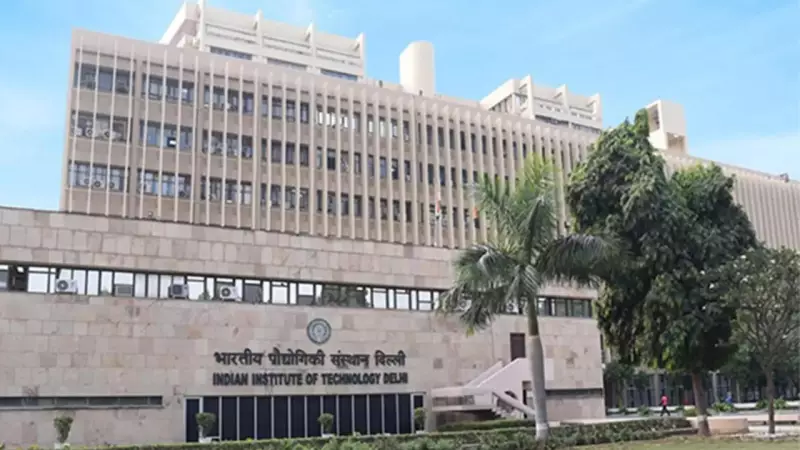
The Indian Institute of Technology Delhi has initiated formal proceedings following significant public criticism of an academic conference that examined caste and race. The institute has established a fact-finding committee and requested explanations from faculty organizers, transforming what began as scholarly discourse into a matter of institutional governance.
Conference Details and Escalating Controversy
The Critical Philosophy of Caste and Race conference took place from January 16 to 18, organized by the CPCR research study group within IIT Delhi's Department of Humanities and Social Sciences. While such academic gatherings typically proceed with limited external attention, this particular event attracted sustained scrutiny that extended well beyond campus boundaries.
The controversy intensified when one conference session drew parallels between caste-based marginalization in India and the Palestinian condition. The framing question "What is common between Dalits and Palestinians?" circulated widely on social media platforms, triggering discomfort among critics who argued the comparison represented political signaling rather than scholarly exploration.

Institutional Response and Governance Framework
As criticism mounted, IIT Delhi issued a public statement acknowledging "serious concerns" regarding speaker selection and conference content. The institute clarified that it had sought explanations from concerned faculty members and constituted a fact-finding committee with independent members to investigate the matter thoroughly.
The institutional response notably focused on procedural aspects rather than ideological positions. IIT Delhi emphasized that appropriate actions would follow institutional protocols based on committee findings, while reaffirming commitment to academic integrity and national objectives. This approach represents a strategic institutional maneuver that shifts discussion from contentious ideas to administrative processes.
Organizers and Broader Context
Attention also centered on conference organizers, particularly Divya Dwivedi, Associate Professor in the Department of Humanities and Social Sciences. Her previous public commentary on caste, Hinduism, and politics provided additional context through which critics interpreted the conference, viewing it not as isolated academic exercise but as part of broader ideological positioning.
This contextual reading transformed how the event was perceived, with organizers seen as carriers of argument rather than neutral convenors, and the conference itself interpreted as institutional endorsement rather than open inquiry.
Political Dimensions and Institutional Implications
The controversy acquired additional gravity when former CBI Director M. Nageswara Rao characterized the research group's activities as "anti-national and destabilising" and called for its disbandment. This intervention elevated the discussion from academic disagreement to questions of national stability, increasing pressure on institutional leadership.
The fact-finding committee now operates within this charged atmosphere, tasked not merely with investigation but also with institutional protection. While official statements emphasize examination of speaker selection and content approval processes, the underlying questions concern:
- Institutional control mechanisms
- Event hosting protocols and clearance procedures
- Accountability frameworks for reputation management
- Balance between academic freedom and institutional responsibility
Broader Implications for Academic Institutions
The committee's findings are unlikely to resolve theoretical debates about caste, race, or comparative frameworks of discrimination. Instead, they will establish operational parameters for institutions like IIT Delhi when academic work attracts political interpretation.
This episode demonstrates how discussions of caste—particularly when framed in transnational contexts—rapidly transition from scholarly examination to governance questions. The likely outcome involves:

- Strengthened approval processes for academic events
- Clearer accountability structures
- Enhanced sensitivity to external perceptions of campus discourse
- More explicit institutional safeguards for controversial topics
For premier technical institutions navigating complex social questions, the challenge involves maintaining academic freedom while ensuring discourse remains within institutional guardrails. The IIT Delhi case illustrates how universities must balance scholarly exploration with responsible governance in an increasingly interconnected and politically sensitive environment.