The Department of Anthropology at Lucknow University is celebrating a major milestone this year. It marks seventy-five years of academic excellence. The department is reconnecting with its rich intellectual legacy while charting a renewed, future-oriented academic path.
A Pioneering School of Thought
Widely referred to as the School of Anthropology, the department earned this distinction for its pioneering role. It helped shape anthropology as a comprehensive and independent discipline in India. The department nurtured several eminent scholars and leading personalities in the field over the decades.
Historical Foundations
Anthropology was initially taught along with economics and sociology in the university's Arts Block. This arrangement continued until 1951. The origins of a separate anthropology department at Lucknow University can be traced to the arrival of Professor D.N. Majumdar.

Professor Majumdar initially came to the university to teach a paper on primitive tribal economy. His work promoted the cause of anthropology in Northern India. After returning to London for research work, Majumdar later came back to India in search of an academic position. Lucknow University invited him once again to teach.
Majumdar strongly advocated for a separate anthropology department. The university initially declined his request. Following this rejection, Majumdar informed the then Vice-Chancellor, Acharya Narendra Dev, of his decision to resign.
His firm stand led to the approval of an independent anthropology department in 1951. Recalling the episode, anthropologist and retired Lucknow University professor Nadeem Hasnain said, "It was Majumdar's unwavering commitment to anthropology that compelled the university to recognise the discipline as an independent department."
Diamond Jubilee Initiatives
As part of its diamond jubilee celebrations, the department has introduced several new academic initiatives. Anthropotherapy now serves as a new optional stream with an intake of thirty students. Alongside this, a value-added course on Anthropological Legacy and the Indian Knowledge System has launched.
This course aims to bridge classical anthropological thought with contemporary societal challenges. Head of the department Udai Pratap Singh explained the significance of these new offerings. He stated, "Anthropotherapy and IKS will help students apply anthropological insights to real-life social and health related challenges. This approach makes them employable and socially sensitive professionals."
Revival of Classical Branches
Another major highlight of the seventy-fifth anniversary year involves reviving three classical branches of anthropology. These include socio-cultural anthropology, biological and physical anthropology, and archaeological anthropology.
These core disciplines were discontinued in 1981 due to faculty shortages. They are now set to return from the next academic session. This revival represents a significant commitment to the department's foundational strengths.
Distinguished Scholarly Legacy
The department carries a distinguished scholarly legacy shaped by eminent anthropologists. Notable figures include Professor D.N. Majumdar, Professor Gopal Sharan, Professor K.S. Mathur, Professor T.N. Madan, and Professor S.K. Khare.
Other influential scholars include Professor D.K. Sen, Professor R.P. Srivastava, Professor R.K. Jain, and Professor V.N. Mishra. Their collective contributions established the department's national reputation.
Focus on the Anthropological Museum
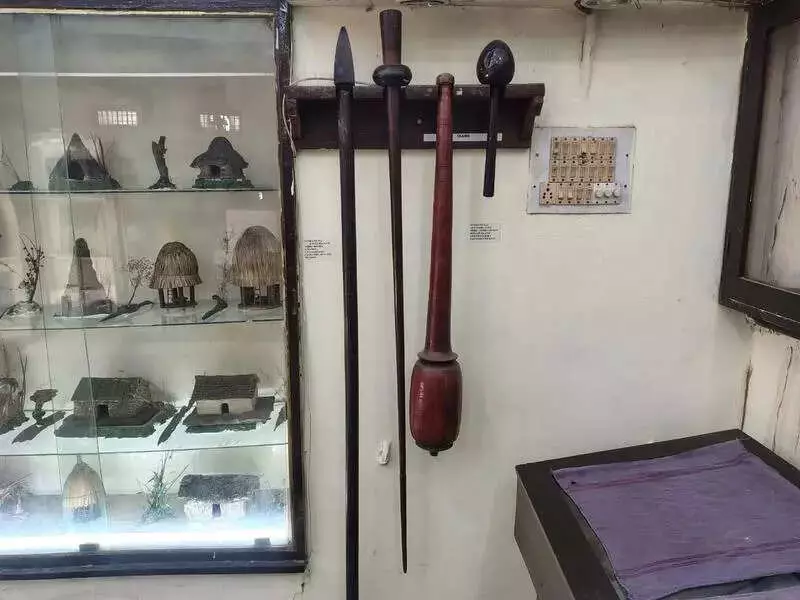
The anniversary celebrations have also renewed focus on revamping the K.S. Mathur Anthropological Museum. Established in the late 1950s, this museum houses artefacts worth crores of rupees.
The collection includes ancient grain containers and centuries-old bullock carts. Visitors can see tribal attire and artefacts from the Andaman and Nicobar Islands. The museum also displays hunting weapons and sea tide calendars.
Additional notable items include traditional boats from Kerala and rare Naga hunting caps. This museum serves as a vital repository of cultural heritage for students and researchers alike.

The seventy-fifth anniversary represents both a celebration of past achievements and a strategic look toward the future. Lucknow University's anthropology department continues to evolve while honoring its foundational contributions to Indian anthropology.