Historic Milestone for Technical Education in India
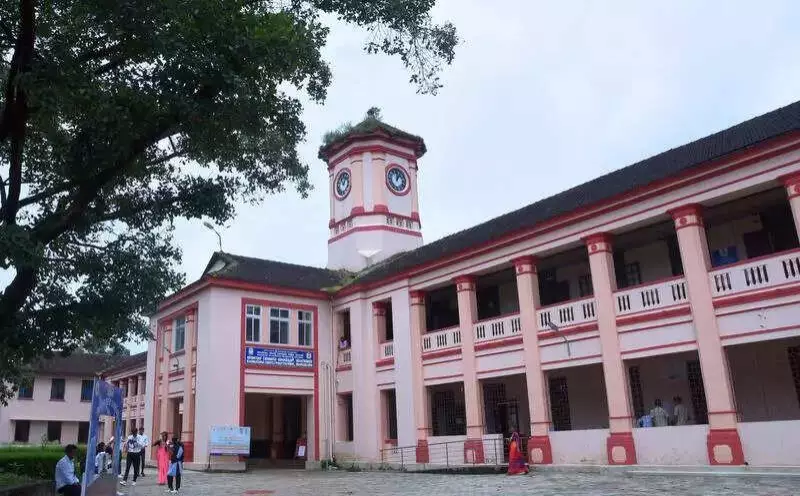
In a landmark development for India's technical education sector, the Karnataka Government Polytechnic (KPT) in Mangaluru has been granted autonomous status by the All India Council for Technical Education (AICTE). This prestigious recognition makes KPT the first government polytechnic institution in the country to achieve this distinction after 78 years of dedicated service to technical education.
Decades of Excellence Rewarded
The autonomous status was officially granted several months ago, with final approval coming from the Karnataka Technical Education Board in October of last year. This represents a significant policy shift, as until recently, AICTE had extended autonomy status exclusively to engineering colleges, leaving diploma institutions outside this framework.
Ravindra M Keni, the first dean of the institution, revealed to media sources that AICTE had proposed applying for autonomous status for polytechnic institutions over 25 years old across the country. "A lot of colleges applied. In the first round, 100 colleges were shortlisted, and in the second round, it came down to 15," Keni explained. "We have already completed one semester after becoming an autonomous institution."

Institutional Excellence and Student Success
Several key factors contributed to KPT's successful bid for autonomous status:
- 100% admission and placement rates for all graduates
- Championship performance in sports for 12 consecutive years
- Active student participation in NCC and NSS activities
- Strong academic foundation with eight diploma programs
Established in 1946 with just four branches, KPT has grown substantially over the decades. The institution now offers eight comprehensive diploma programs, including computer science and polymer technology, across a sprawling 19-acre campus. Annually, approximately 500 students enroll in these three-year courses, making KPT the second-largest polytechnic in Karnataka.
New Academic Freedom and Opportunities
The autonomous status brings significant advantages to KPT and its students:
- Ability to design industry-aligned curricula that better meet current market demands
- Authority to conduct independent examinations and prepare question papers
- Direct partnership opportunities with industries for enhanced practical training
- Priority consideration for funding from AICTE or the Ministry of Education
- Internal handling of documentation and administrative processes
"The status grants complete independence over academics, while financial control remains with the state government," Keni clarified. "There will be various committees for exams, question paper preparation, the board of studies, the board of examiners, and others. From here onwards, the institution has the independence to conduct admission without government notifications and print marks cards on its own."
Future Plans and National Context
Keni indicated that the institution plans to develop new academic initiatives after a year of operating with autonomous status. This achievement comes at a time when India is placing increased emphasis on skill development, with several government polytechnics across the country now gaining similar autonomous recognition.
The transformation of KPT Mangaluru into an autonomous institution represents more than just administrative change—it signifies a new era of academic flexibility and industry responsiveness in India's technical education landscape. As the first government polytechnic to achieve this status, KPT sets a precedent for other institutions seeking to enhance their educational offerings and better serve India's growing technical workforce needs.