MSU Commerce Faculty Unveils Entrance Test Question Bank for BCom (Hons) Admissions
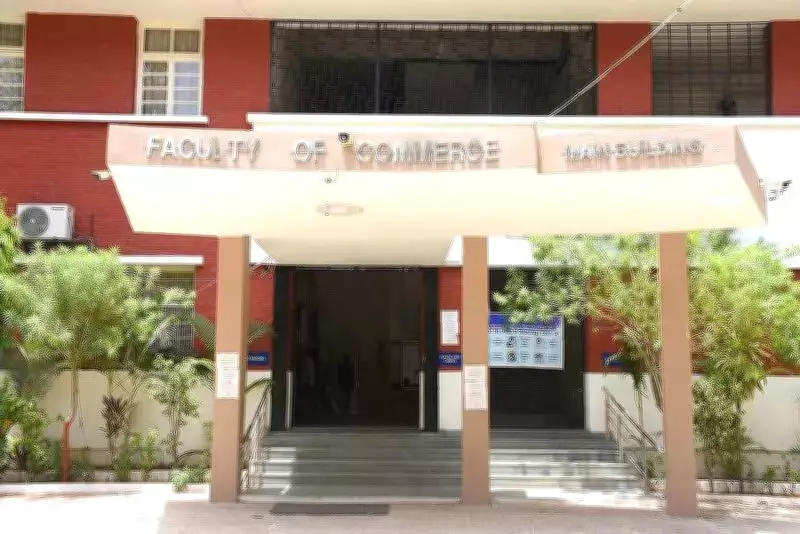
In a significant overhaul of its admission procedures, the faculty of commerce at Maharaja Sayajirao University (MSU) in Vadodara has taken a groundbreaking step by releasing a comprehensive question bank for the newly introduced entrance test for first-year BCom (Hons) programme admissions. This marks the first time in the faculty's history that an entrance examination is being implemented, representing a major shift aimed at standardizing the intake process for one of the university's largest departments.
Details of the New Admission Framework
The faculty, which accounts for nearly half of MSU's total student strength, has made public a question bank containing approximately 500 questions to assist prospective students in preparing for the multiple-choice based examination. As previously announced by dean Prof Pragnesh Shah, admissions starting from the 2026–27 academic year will follow a composite merit system with specific weightage allocations.
The new admission criteria will consist of:

- 75% weightage to Class 12 marks
- 25% weightage to the entrance test performance
Examination Structure and Content
The online entrance test will feature 100 questions that must be completed within 100 minutes, with the examination being conducted in both English and Gujarati languages to accommodate diverse student backgrounds. The test has been designed to comprehensively evaluate candidates across multiple domains essential for commerce education.
The examination will assess:
- English language proficiency
- Logical reasoning abilities
- Core commerce subjects including accountancy, statistics, economics, and business studies
Additional Admission Policy Changes
The introduction of the entrance test coincides with several other important modifications to the admission framework. The faculty has substantially increased the quota for Vadodara-based students from 85% to 95%, thereby limiting outstation seats to just 5% of the total intake. This geographical adjustment represents a significant shift in the university's admission priorities.
Furthermore, the faculty has implemented changes to the fee structure categories, substantially reducing reliance on the higher payment category. The number of seats under this category has been decreased from over 3,100 last year to approximately 1,800 seats, while simultaneously expanding seats available under the regular fee structure. This rebalancing aims to make quality commerce education more accessible to a broader range of students.
Expanded Intake and Infrastructure Considerations
The overall student intake has been increased to 6,793 seats, which includes newly introduced job-oriented programmes designed to enhance employability outcomes for graduates. This expansion comes as part of the faculty's strategic move to rationalize admissions and alleviate pressure on university infrastructure that had been strained by high self-financed intake in previous academic years.
The comprehensive changes to the admission process reflect MSU's commitment to maintaining academic standards while adapting to evolving educational needs. By introducing standardized testing alongside traditional academic performance metrics, the commerce faculty aims to create a more equitable and transparent admission system that identifies students with both strong academic foundations and the analytical skills necessary for success in commerce education.