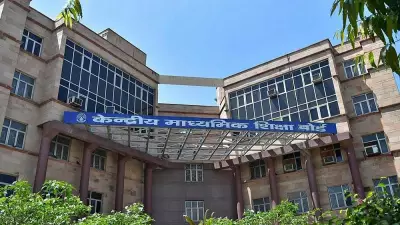
New Delhi is witnessing a significant push in electric vehicle education. Netaji Subhas University of Technology, commonly known as NSUT, is taking concrete steps to strengthen its electric vehicle technology laboratory. The university plans to add new hands-on training equipment. This move aims to prepare students effectively for the rapidly expanding EV sector.
Practical Exposure at West Delhi Campus
At its west Delhi campus in Jaffarpur, students will soon gain practical exposure to key EV components. They will work directly with EV batteries, electric car systems, and charging technologies. University officials emphasize that these proposed upgrades will bridge the gap between classroom theory and real-world industry requirements.
NSUT is actively exploring procurement options for this initiative. The process includes supply, installation, testing, and commissioning of advanced lab equipment dedicated to electric mobility. The university has earmarked an estimated ₹35 lakh for this project. This budget will cover up to three specialised training systems.

Three Key Training Systems
The planned systems are intended to cover several critical areas:
- Battery safety protocols and management
- Vehicle drivetrains and their operation
- Charging infrastructure and technology
If approved, these systems will support both teaching activities and applied research. They will focus on electric vehicles and clean energy technologies. This dual approach ensures students receive comprehensive training.
Battery Management System Demonstration
One of the key additions under consideration is a Battery Management System demonstration test rig. This system is designed to help students understand how EV batteries are monitored, controlled, and protected. Students will use either a simulated or real lithium-ion battery pack for their experiments.
Through this rig, students will observe how voltage, current, and temperature are tracked in real time. The demonstration will also cover cell balancing techniques. It will show how faults such as overheating or overcharging can be detected and managed effectively.
A university official explained the importance of this hands-on approach. "Electric mobility is a systems-level technology," the official stated. "Students need to understand batteries, power electronics, controls, and charging together, not in isolation. Hands-on training like this can be essential to build industry-ready engineers."
Integrated Electric Four-Wheeler Training Rig
Another major component being planned is an integrated electric four-wheeler training rig. This setup will bring together the core elements of an electric car on a single frame. Key components include the motor, controller, battery system, charger, and transmission.
This integrated approach will enable students to see how power flows through an EV. They will study important concepts such as motor control, regenerative braking, and energy management. The practical experience will deepen their understanding of electric vehicle dynamics.
Solar Charging Controller Training System
The third system proposed is a Pulse Width Modulation charge controller training system. This system focuses on battery charging using solar energy. It will include a solar panel simulator and a charge controller for practical exercises.
Students will study various charging stages, efficiency metrics, and safety considerations. They will also learn how faults affect overall performance. The PWM system is not just a controller but a comprehensive training device.
This device allows students to see, measure, and understand how a solar charge controller manages battery charging. It connects renewable energy concepts with electric vehicle technology, providing a holistic learning experience.
Preparing for Industry Demands
NSUT's initiative reflects a broader trend in engineering education. Institutions are increasingly aligning their curricula with industry needs. The electric vehicle sector is growing rapidly, creating demand for skilled professionals.
By investing in practical training equipment, NSUT ensures its graduates are well-prepared for this evolving field. The ₹35 lakh investment demonstrates the university's commitment to quality education and innovation.

Students will benefit from enhanced learning opportunities. They will develop hands-on skills that are directly applicable in the workplace. This practical knowledge will make them more competitive in the job market.
The lab upgrades will also support research activities. Faculty and students can collaborate on projects related to electric vehicles and clean energy. This research could contribute to technological advancements in the field.
Overall, NSUT's efforts represent a positive step forward for technical education in Delhi. The university is proactively addressing the skills gap in the EV industry. Its focus on practical training sets a strong example for other institutions to follow.