Osmania University RTI Controversy: Citizenship Proof Demand for Land Information
An application filed under the Right to Information (RTI) Act seeking comprehensive details about land owned and managed by Osmania University has ignited a significant controversy. The dispute centers on university officials demanding proof of Indian citizenship from the applicant instead of providing the requested records, raising fundamental questions about how public authorities interpret and implement transparency laws.
The RTI Application and University's Response
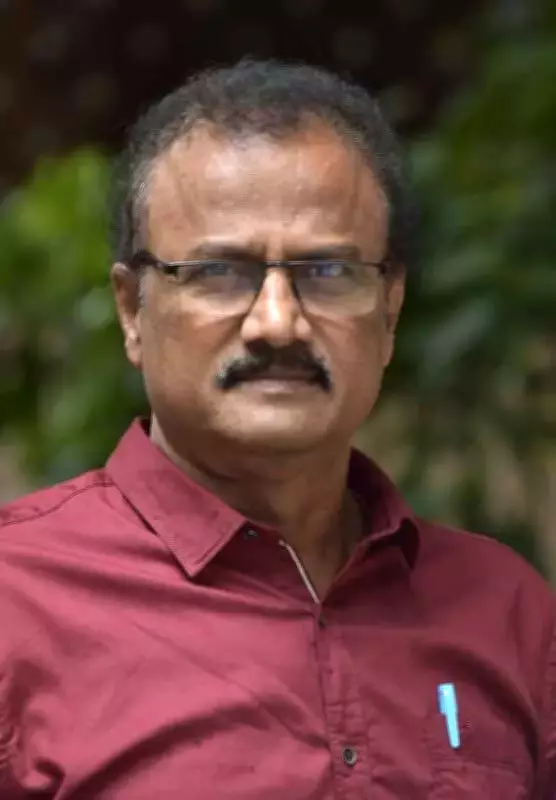
The application was submitted by RTI activist and urban development forum state convener M Srinivas, who sought detailed information about the university's land holdings. This included survey records, property extent measurements, and administrative data maintained by the estate and legal cell. Given that university lands have frequently been at the center of public debates concerning encroachments, alienation, and management practices, the requested information carries substantial public importance.
Rather than supplying these details, university officials responded that the application could not be processed unless Srinivas submitted proof of his Indian citizenship. Citing Section 3 of the RTI Act, which establishes that Indian citizens have the right to information subject to the Act's provisions, officials requested a copy of his Aadhaar card or equivalent documentation as verification.

Legal Arguments and Procedural Standoff
Srinivas told media outlets that while Section 3 does establish citizen rights to information, it contains no provision mandating submission of citizenship proof alongside an RTI request. He argued that imposing such a requirement effectively adds conditions not specified in the legislation itself, creating unnecessary barriers to transparency.
Even after Srinivas sent a reminder to the university, no information was provided. In subsequent communications, university authorities maintained their position, stating that the absence of citizenship proof remained the sole reason for withholding the requested land records.
Escalation to Information Commission
Following this impasse, Srinivas approached the Telangana Information Commission with a formal complaint on June 3. His complaint challenges the university's citizenship proof demand and seeks directions for disclosure of the land information originally requested.
Reflecting on the episode, Srinivas expressed concern that public authorities are increasingly resorting to procedural barriers to delay or deny information access. He noted that although administrative changes over recent years have weakened the RTI framework, recent appointments of information commissioners have raised expectations for stricter enforcement and greater accountability in transparency matters.
Broader Implications for RTI Implementation
This case highlights several critical issues in RTI implementation:
- Interpretation of Citizen Rights: Whether public authorities can require citizenship proof beyond what the RTI Act explicitly mandates
- Procedural Barriers: How additional requirements might be used to obstruct legitimate information requests
- Land Transparency: The ongoing public interest in university land management practices in Hyderabad
- Accountability Mechanisms: The role of information commissions in resolving such disputes and enforcing transparency standards
The Telangana Information Commission's eventual ruling on this matter could establish important precedents for how citizenship verification requirements are applied in RTI processes across educational institutions and other public authorities.