Supreme Court to Examine UGC's 2026 Equity Regulations Amid Controversy
The Supreme Court of India has taken a significant step by agreeing to list for hearing a plea that challenges the recently notified University Grants Commission (UGC) regulations aimed at promoting equity in higher education institutions. This development comes after the court acknowledged submissions from a lawyer seeking an urgent hearing on the matter, highlighting growing concerns over the regulations' potential impact.
Court Proceedings and Legal Arguments
A bench comprising Chief Justice Surya Kant and Justice Joymalya Bagchi presided over the initial hearing, where the lawyer representing the petitioners emphasized the urgency of the case. The lawyer stated, "There is a possibility of discrimination against the general class. My case is 'Rahul Dewan and Ors vs Union'." In response, Chief Justice Surya Kant assured, "We know what is happening. Make sure defects are cured. We will list it." This exchange underscores the court's recognition of the contentious nature of the regulations and sets the stage for a detailed judicial review.
Overview of the UGC Regulations
The regulations in question, formally known as the University Grants Commission (Promotion of Equity in Higher Education Institutions) Regulations, 2026, were notified on January 13. They introduce several key mandates for higher education institutions across India:

- All institutions must establish "equity committees" to examine complaints of discrimination and foster equity on campuses.
- These committees are required to include members from specific groups: Other Backward Classes (OBC), Scheduled Castes (SC), Scheduled Tribes (ST), persons with disabilities, and women.
- The 2026 regulations replace the previous UGC (Promotion of Equity in Higher Educational Institutions) Regulations, 2012, which were largely advisory and lacked enforcement mechanisms.
Core Issues and Criticisms
The plea challenging these regulations centers on the definition of caste-based discrimination. Critics argue that the regulations adopt a non-inclusionary approach by strictly defining discrimination as acts against members of the SC, ST, and OBC categories. This limitation, according to the petitioners, effectively denies institutional protection and grievance redressal to individuals from the general or non-reserved categories who may also face harassment or bias based on their caste identity.
This exclusion has sparked debates about whether the regulations adequately address the broader spectrum of caste-based issues in educational settings, potentially leaving vulnerable groups without recourse.
Public Response and Protests
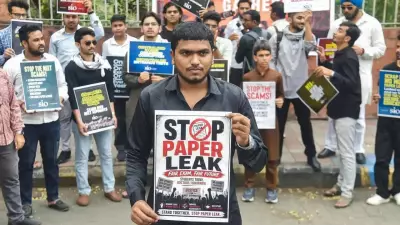
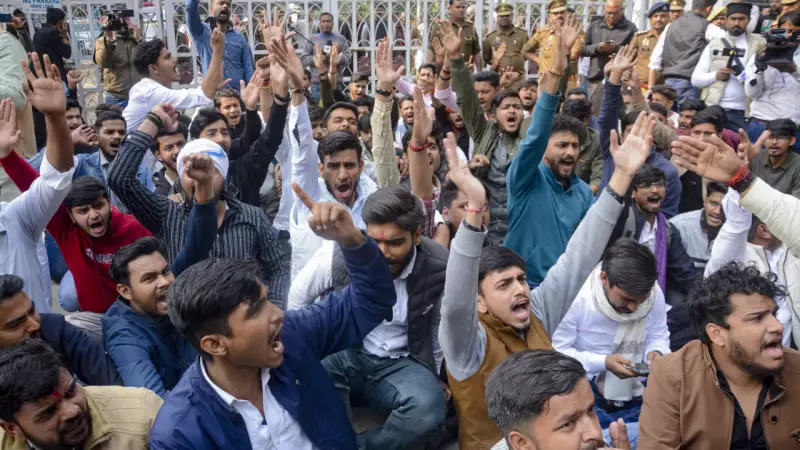
Meanwhile, the new regulations have ignited protests in various parts of the country. Student groups and organizations have voiced strong opposition, demanding an immediate rollback of the rules. They contend that the regulations could perpetuate inequalities by overlooking discrimination faced by general category students, thereby undermining the very equity they aim to promote.
As the Supreme Court prepares to hear the case, the outcome could have far-reaching implications for how equity and anti-discrimination measures are implemented in India's higher education system. The judicial review will likely scrutinize the balance between protecting historically marginalized communities and ensuring fair treatment for all students, regardless of their caste background.