

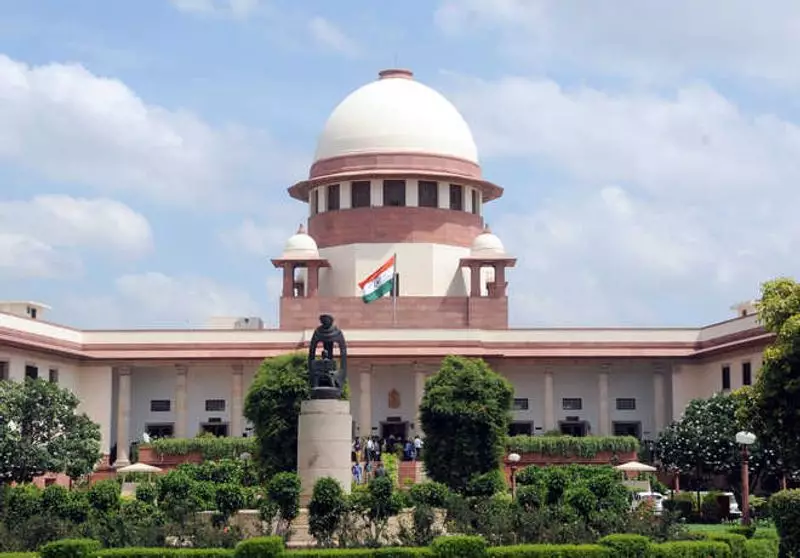
Supreme Court Takes Up Petition Against UGC Regulation on Caste Discrimination
The Supreme Court of India has agreed to hear a significant petition that challenges a regulation issued by the University Grants Commission (UGC) concerning caste discrimination in higher education institutions. This development marks a crucial step in addressing ongoing concerns about the effectiveness of existing measures to combat caste-based prejudice in academic settings.
Details of the Petition and UGC Regulation
The petition, filed by concerned parties, argues that the current UGC regulation is inadequate in providing robust mechanisms to prevent and address caste discrimination. According to the petitioners, the regulation lacks stringent enforcement provisions and fails to ensure accountability among educational institutions. They contend that this shortcoming perpetuates a hostile environment for students and staff from marginalized communities, undermining the principles of equality and social justice enshrined in the Indian Constitution.
The UGC, as the apex body for higher education in India, has established guidelines aimed at promoting inclusivity and preventing discrimination. However, critics assert that these guidelines often fall short in practice, with many institutions not implementing them effectively. The petition highlights instances where victims of caste discrimination have faced barriers in seeking redress, citing bureaucratic delays and insufficient penalties for violators.

Legal and Social Implications
The Supreme Court's decision to hear this petition underscores the judiciary's role in safeguarding fundamental rights and ensuring that regulatory frameworks align with constitutional mandates. Legal experts note that this case could set a precedent for how caste discrimination is addressed in educational institutions across the country. A favorable ruling might compel the UGC to revise its regulations, introducing more stringent measures such as mandatory reporting mechanisms, independent grievance committees, and harsher penalties for non-compliance.
From a social perspective, this petition reflects broader societal concerns about caste-based inequalities that persist despite legislative efforts like the Scheduled Castes and Scheduled Tribes (Prevention of Atrocities) Act. Activists and educators emphasize that higher education institutions should be spaces of empowerment and equality, yet many students from lower castes continue to face discrimination, affecting their academic performance and mental well-being.
Potential Outcomes and Future Steps
As the Supreme Court prepares to hear the petition, stakeholders are closely monitoring the proceedings. Potential outcomes include:
- Interim Orders: The court might issue interim directives to strengthen anti-discrimination measures while the case is pending.
- Regulatory Reforms: A final judgment could mandate the UGC to overhaul its regulations, incorporating input from affected communities and experts.
- Institutional Accountability: The ruling may emphasize the responsibility of universities and colleges in enforcing anti-discrimination policies, with regular audits and transparency reports.
This case also highlights the need for a multi-faceted approach to combat caste discrimination, involving not just legal and regulatory changes but also awareness campaigns and sensitivity training within educational institutions. By addressing these issues at the highest judicial level, India takes a step toward fulfilling its commitment to social justice and inclusive education for all citizens.






