Supreme Court Agrees to Hear Plea Challenging UGC's New 2026 Regulations
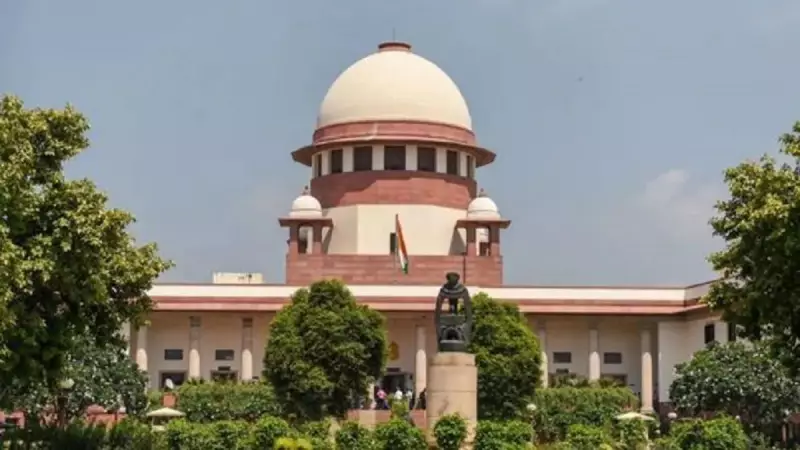
The Supreme Court of India has taken a significant step in the ongoing debate over higher education reforms by agreeing to hear a petition that challenges the University Grants Commission (UGC)'s newly introduced regulations for the year 2026. This development comes amid widespread concerns from academic institutions, educators, and students regarding the potential implications of these rules on the autonomy and quality of higher education in the country.
Background of the UGC Regulations Row
The UGC, as the apex regulatory body for higher education in India, periodically updates its guidelines to align with evolving educational needs and global standards. However, the latest set of regulations for 2026 has sparked a heated controversy, with critics arguing that they could lead to:
- Increased centralization of academic decision-making, potentially undermining the autonomy of universities and colleges.
- Stricter compliance requirements that may burden institutions, especially smaller ones, with additional administrative and financial challenges.
- Changes in curriculum and assessment methods that might not adequately address the diverse needs of students across different regions and disciplines.
Proponents of the regulations, on the other hand, contend that they are necessary to enhance quality assurance, promote standardization, and ensure that Indian higher education remains competitive on the international stage. The debate has intensified as stakeholders from various sectors voice their opinions, leading to the filing of the petition in the Supreme Court.

Legal Proceedings and Implications
The plea, which has now been admitted by the Supreme Court, seeks to challenge the legality and fairness of the UGC's 2026 regulations. Key arguments presented in the petition include:
- Alleged violations of constitutional principles related to educational autonomy and federalism, as the regulations are seen as imposing a one-size-fits-all approach.
- Concerns over procedural lapses in the formulation and implementation of the rules, with claims that adequate consultation with stakeholders was not conducted.
- Potential negative impacts on academic freedom and innovation, which could hinder the growth of a vibrant and diverse higher education ecosystem in India.
The Supreme Court's decision to hear the case is expected to have far-reaching consequences for the education sector. A ruling in favor of the petitioners could lead to a revision or even a rollback of the regulations, while upholding them might reinforce the UGC's authority in shaping higher education policies. This legal battle underscores the ongoing tension between regulatory oversight and institutional independence in India's academic landscape.
Stakeholder Reactions and Future Outlook
Reactions to the Supreme Court's move have been mixed. Many educators and university administrators have welcomed the judicial intervention, hoping it will lead to a more balanced and inclusive regulatory framework. Student groups have also expressed support, emphasizing the need for policies that prioritize student welfare and academic excellence over bureaucratic control.
Conversely, government officials and some education experts argue that the regulations are essential for maintaining high standards and accountability in higher education. They caution that delays or changes could impede progress towards national educational goals, such as improving global rankings and increasing enrollment rates.
As the case proceeds, all eyes will be on the Supreme Court's deliberations, which are likely to set a precedent for future education policy disputes. The outcome could influence not only the immediate fate of the UGC's 2026 regulations but also the broader dynamics of governance and reform in India's higher education system. Stakeholders are advised to stay informed and engaged as this pivotal legal process unfolds.