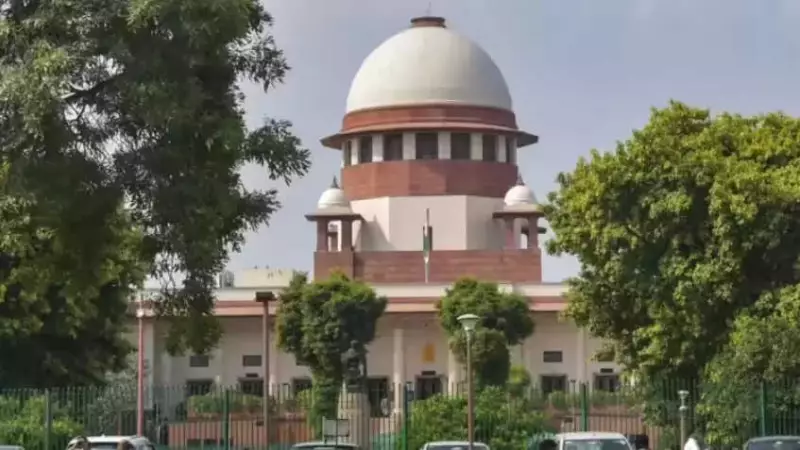
UGC's Equity Regulation Faces Legal Challenge in Supreme Court Over Caste-Neutrality
New Delhi: The University Grants Commission's regulation aimed at promoting equity in higher educational institutions has sparked significant controversy, leading to a formal legal challenge in the Supreme Court. A petition has been filed seeking to declare the regulation illegal and unconstitutional, citing concerns over discrimination and inadequate coverage for all students.
Petition Alleges Discriminatory Provisions
The core of the controversy revolves around the regulation's perceived failure to provide comprehensive protection against harassment. The petition argues that the current framework discriminates by not extending safeguards to non-SC/ST/OBC students, creating what petitioners describe as an unequal application of justice.
This legal action comes amid growing debate within academic circles, with various sections of the educational community expressing divergent views along caste lines. The regulation, originally formulated to address critical issues in higher education, now faces scrutiny over its implementation and scope.

Regulatory Background and Intent
The UGC framed this regulation following suggestions from the Supreme Court itself, aiming to establish a robust mechanism to combat several serious issues plaguing educational institutions. The regulation specifically targets:
- Prevention of ragging incidents
- Addressing sexual harassment cases
- Eliminating discrimination based on caste, gender, and disability
These measures were designed to create safer, more inclusive learning environments across India's higher education landscape.
The Controversial Section 3(1)(c)
At the heart of the legal challenge is Section 3(1)(c) of the regulation, which defines "caste-based discrimination" specifically as discrimination against members of scheduled castes, scheduled tribes, and other backward classes. The petitioners contend that this definition creates a problematic exclusion.
The petition specifically requests Supreme Court intervention to direct both the UGC and the Central Government to ensure that all provisions under the regulation become caste-neutral in their application. This would mean extending protection against caste-based harassment to all students, regardless of their social background.
Broader Implications for Higher Education
This legal challenge raises fundamental questions about equity frameworks in Indian higher education. While the regulation represents an important step toward addressing historical injustices and creating safer campuses, the current controversy highlights the complexities of implementing such policies in a diverse society.
The Supreme Court's eventual decision on this matter could have far-reaching consequences for how educational institutions approach equity, discrimination prevention, and student welfare across the country. The outcome may influence future policy formulations and their implementation in India's extensive higher education system.