UGC's 2026 Equity Regulations Ignite National Campus Firestorm Over Caste Discrimination
Caste remains the persistent shadow in Indian education that refuses to be confined within classroom walls. It permeates every layer of the academic ecosystem—traveling with students, influencing teachers, shaping institutional cultures, and inevitably drawing regulatory attention. On January 13, 2026, the University Grants Commission unveiled its Promotion of Equity in Higher Education Institutions Regulations, marking a bold attempt to transform this lived reality into enforceable campus governance. The regulations explicitly prioritize addressing discrimination faced by Scheduled Castes (SC), Scheduled Tribes (ST), and Other Backward Classes (OBC), creating what the commission envisioned as a comprehensive framework for equity enforcement.
The Regulatory Architecture: Building an Institutional Nervous System
The UGC's regulatory document arrived with what appeared to be a complete compliance toolkit. Institutions must establish Equal Opportunity Centres alongside equity committees featuring mandated representation from marginalized groups. The framework mandates a 24×7 helpline with confidentiality provisions, strict inquiry timelines requiring committees to meet within 24 hours and report within 15 working days, and the creation of "Equity Squads" tasked with maintaining vigil against discrimination. The regulations essentially convert equity aspirations into compliance mechanisms through biannual public reporting, UGC monitoring, and penalties that could impact institutional funding and recognition.
However, the regulations establish three crucial boundaries that have become central to the controversy. First, they define discrimination broadly to include unfair treatment based on religion, race, caste, gender, place of birth, disability, and actions that undermine human dignity. Second, they narrowly define "caste-based discrimination" specifically as discrimination against SC, ST, and OBC members. Third, they broadly define who can file complaints, including students, faculty, staff, management, and institutional heads.

The Backlash Organizes: Protests, Resignations, and Legal Challenges
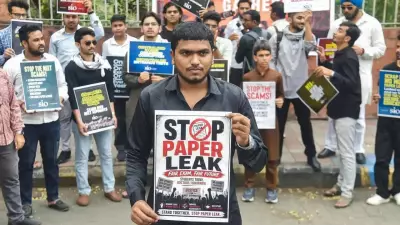
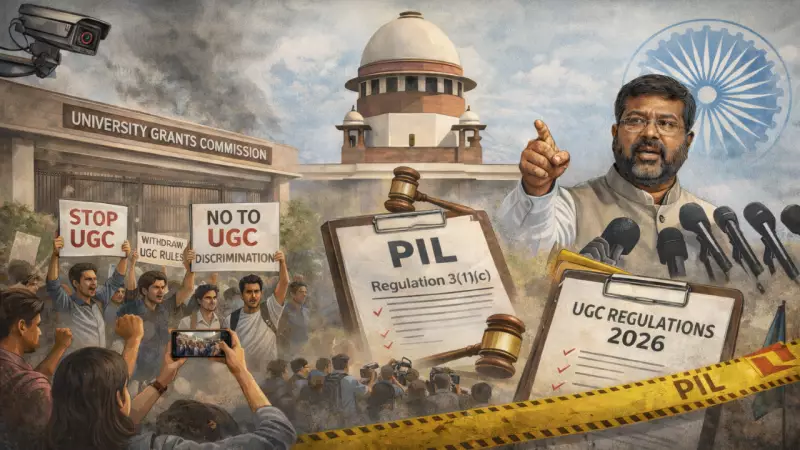
Almost immediately, organized opposition emerged. Students gathered outside the UGC office in Delhi, warning of potential surveillance and regulatory misuse. Political criticism framed the regulations as governmental overreach, while a Supreme Court Public Interest Litigation (PIL) challenged Regulation 3(1)(c)—the clause defining caste-based discrimination as discrimination against SC/ST/OBC members—as "non-inclusionary." Online discourse rapidly outpaced official clarifications, transforming a regulatory document into a national debate about equity, due process, and legislative intent.
Student Protests: Anxiety About Accusation Mechanics
According to PTI reports, New Delhi has become a primary theater for this controversy. Students from upper-caste communities organized protests outside UGC headquarters, warning that the 2026 regulations could create campus chaos. Their slogan—"No to UGC discrimination"—neatly reverses the regulations' intended purpose, revealing that the backlash centers not on whether discrimination exists, but whether the proposed remedy might become a weapon.
Delhi University PhD student Alokit Tripathi articulated widespread concerns to PTI, stating the rules would create "complete chaos" by shifting the burden of proof to the accused without adequate safeguards. He described the regulations as "draconian" and expressed anxiety about the proposed Equity Squads creating constant campus surveillance. The protests have spread beyond Delhi, with Lucknow University students similarly demonstrating against what they fear could become a framework for unequal treatment and potential misuse.

Supreme Court Intervention: Legal Scrutiny of Definitional Boundaries
The Supreme Court PIL focuses specifically on Regulation 3(1)(c), questioning whether an anti-discrimination framework can define caste discrimination in a way that narrows victim recognition. The petition argues this creates a hierarchy of protection by restricting caste-based discrimination claims to specific groups. This matters significantly because the regulations establish comprehensive grievance mechanisms—Equal Opportunity Centres, committees, helplines, and ombudsperson appeals—that could process complaints differently based on how discrimination is categorized.
The petition invokes Articles 14, 15(1), and 21 of the Constitution, seeking to pause enforcement of the contested clause until judicial review occurs while maintaining grievance accessibility for all campus community members.
Government Response: Assurance and Anticipated Clarifications
As controversy escalated, Union Education Minister Dharmendra Pradhan offered blanket assurances against regulatory misuse. "I would like to assure everyone that no misuse of the law in the name of discrimination will be allowed," Pradhan stated, emphasizing that enforcement would remain within constitutional boundaries and under Supreme Court supervision. Simultaneously, the Ministry of Education is preparing clearer public messaging to counter what it describes as confusion and online backlash surrounding the regulations.
The Fundamental Challenge: Building Trust in Regulatory Frameworks
India's struggle has never been about lacking laws, but rather about establishing laws that citizens trust. The UGC's 2026 regulations represent an attempt to compel institutions to confront discrimination directly. The pushback reflects concerns about remedies becoming instruments of power. Both perspectives contain valid elements within the Indian context. The ultimate question remains whether the UGC can design a system that protects without presuming guilt, punishes without prejudging, and listens without surrendering institutional integrity. Failure could return the nation to familiar patterns: temporary outrage, gradual retreat, and the quiet persistence of the very problems these regulations aim to address.