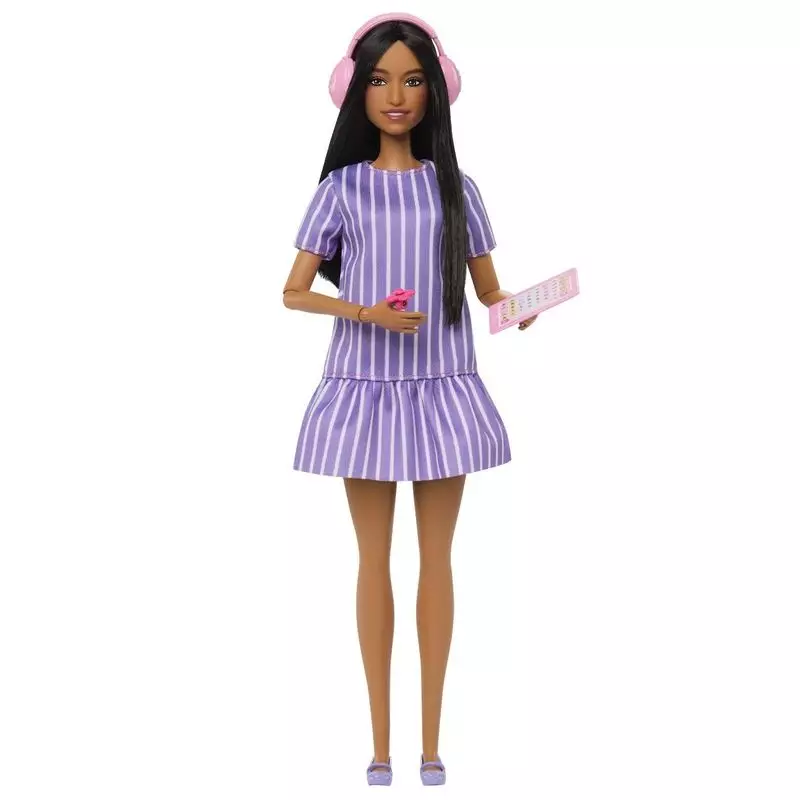
In a landmark move for diversity and inclusion in the Indian toy industry, Mattel India has unveiled its first Barbie doll representing a person with Down syndrome. This significant launch is part of the company's global commitment to creating toys that reflect the world children see around them, fostering empathy and understanding from a young age.
A New Chapter for Representation in Indian Playrooms
The introduction of this doll marks a pivotal moment for inclusive representation in the Indian market. It is a part of Mattel's popular Barbie Fashionistas line, which is celebrated for showcasing dolls with a variety of body types, skin tones, and abilities. The doll's design was meticulously developed in consultation with medical professionals and organizations dedicated to the Down syndrome community, ensuring an accurate and respectful portrayal.
Key features of the doll include a shorter frame, a longer torso, and a more rounded face shape, which are characteristic of many individuals with Down syndrome. The doll's palms feature a single line, a detail often associated with the condition. Furthermore, the doll's accessories, including her pink pendant necklace, carry symbolic meaning. The necklace features three upward-facing chevrons, representing the three copies of the 21st chromosome (trisomy 21), which is the genetic basis for Down syndrome. The colors of the chevrons—blue and yellow—are also significant, being associated with Down syndrome awareness.

Driving Awareness and Fostering Empathy Through Play
This launch is more than just a new product; it is a powerful tool for social education. By integrating a doll with Down syndrome into its portfolio, Mattel India is actively promoting the message that all children deserve to see themselves represented in their toys. Play is a fundamental way children learn about the world, and inclusive toys can help normalize differences, reduce stigma, and build a more accepting generation.
Industry experts and child development specialists have welcomed the move, highlighting its potential to shape positive attitudes towards disability and diversity. For parents of children with Down syndrome, this doll provides a cherished opportunity for their child to have a toy that looks like them, validating their identity and boosting self-esteem. For other children, it serves as an accessible introduction to the concept of diversity in human appearance and ability.
The Broader Impact on the Toy Industry and Society
Mattel India's decision to bring this doll to the country aligns with a growing global demand for toys that champion diversity. The company has stated that this initiative is a step towards its broader goal of creating a more inclusive play experience. This launch follows other inclusive dolls in the Fashionistas line, such as dolls with wheelchairs, prosthetic limbs, and vitiligo.
The availability of the first autistic Barbie doll in India is expected to resonate deeply with consumers who value social progress. It sets a new standard for other toy manufacturers in the region, encouraging them to consider inclusivity in their own product designs. Ultimately, this move by Mattel India is a significant stride towards ensuring that playtime becomes a reflection of real-world diversity, helping to build a more empathetic and inclusive society, one doll at a time.