Oscars Executive Addresses Backlash Over 'In Memoriam' Segment Omissions
The executive responsible for the Academy Awards telecast has publicly defended the highly discussed 'In Memoriam' segment, responding to widespread criticism over the omission of several notable stars from the televised montage. Rob Mills, the executive in charge of the Oscars broadcast, spoke out about the fan backlash that followed the live ceremony, acknowledging the challenges involved in curating the tribute.
Extended Runtime and Selective Tributes
This year's Oscars tribute segment was notably extended, running nearly 15 minutes longer than in previous years. However, despite the increased runtime, the televised montage featured only a handful of late actors, directors, and other film talents. The segment included highly personalized tributes to Hollywood legends such as Rob Reiner, Diane Keaton, Catherine O'Hara, and Robert Redford, which drew attention to the selective nature of the inclusions.
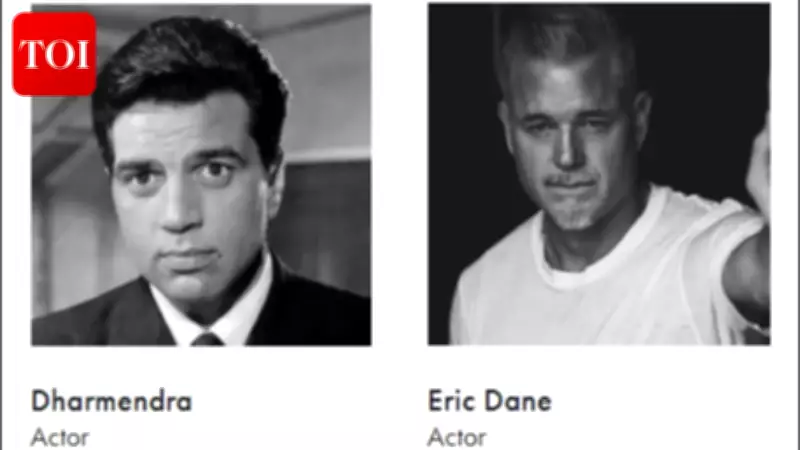
Notable omissions from the broadcast included stars like Eric Dane, Brigitte Bardot, James Van Der Beek, Malcolm-Jamal Warner, and Indian cinema icon Dharmendra. These names were instead featured among approximately 300 individuals honored on the Oscar website's tribute section, a distinction that has sparked debate among viewers and industry professionals alike.

Executive's Explanation and Academy's Role
In an interview with Variety, Mills addressed the backlash directly, clarifying that decisions regarding who appears in the televised segment ultimately rest with the Academy of Motion Picture Arts and Sciences. "It is hard. I think it’s the hardest thing they possibly do. It always is hard when they are sort of villainised for this," Mills stated, empathizing with the Academy's difficult position.
He acknowledged the inherent challenge of balancing inclusions and omissions each year as the film industry continues to lose prominent figures. "Yes, there’s always people who are left out. Unfortunately, we’re losing more and more people, and especially, we’re losing legendary people every year, so it is probably the hardest needle to thread," Mills explained, highlighting the growing complexity of the tribute as the industry expands globally.
Praise Amid Criticism
Despite the criticism, Mills praised this year's tribute segment, calling it potentially "the best In Memoriam in the history of the Oscars." This endorsement comes even as specific omissions have drawn sharp rebukes from fans and colleagues of the excluded stars.
Indian Cinema's Reaction
Indian star Hema Malini publicly slammed the Academy for excluding Dharmendra from the televised segment. In an interview with Bollywood Hungama, she expressed disappointment, stating, "It is a shame, of course. A shame for them to have overlooked an actor who means so many things to so many people in many parts of the world. Dharamji was known and recognised everywhere. He never got too many awards during his lifetime. Why should he care about the Oscars? Both of us, we were happy to be loved in our country. But awards always eluded him."
Historical Context and Ongoing Debate
The 'In Memoriam' segment of the Oscars remains one of the most closely watched moments of the ceremony and has frequently stirred debate over which industry figures are included. Over the years, the Academy has maintained an In Memoriam page on its official website, honoring actors, directors, musicians, scriptwriters, and many others from the film industry for their contributions. This dual approach—televised montage and online tribute—aims to balance visibility with comprehensiveness, though it often leaves some feeling overlooked.
The controversy underscores the emotional weight and cultural significance of the segment, as it serves not only as a tribute but as a reflection of the Academy's priorities and the global nature of cinema. As the industry continues to evolve, the challenge of honoring all deserving individuals in a limited broadcast timeframe is likely to persist, ensuring that the 'In Memoriam' segment remains a topic of discussion long after the awards show concludes.