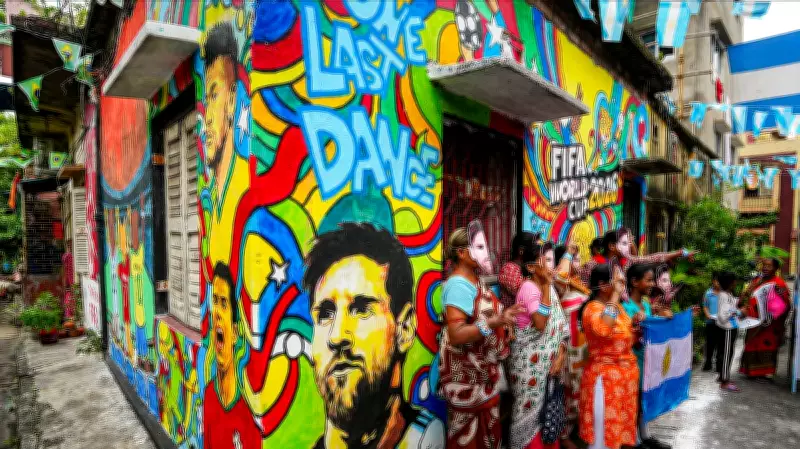
In 'The Shortest History of Football', author Sudhirendar Sharma traces the remarkable journey of the world’s most popular sport, revealing how it has evolved into a powerful arena for money, influence, and identity. From emperors to autocrats, the book examines football’s transformation from a simple game to a global power play.
Football as a Mirror of Power
Sharma argues that football has always been intertwined with politics and economics. The book highlights how rulers and regimes have used the sport to consolidate power, from ancient Chinese emperors who played cuju to modern autocrats who invest in clubs to burnish their image. According to Sharma, football serves as a lens through which to understand shifting global dynamics.
Money and Influence
The narrative delves into the commercialization of football, particularly since the late 20th century. Sharma notes that the sport now generates billions of dollars annually, with clubs owned by billionaires and sovereign wealth funds. He cites the example of the English Premier League, where foreign ownership has reshaped the game. 'Football has become a vehicle for soft power,' Sharma writes, quoting a football executive: 'The sport is now a global currency.'

Identity and Nationalism
The book also explores how football shapes national identity. Sharma discusses iconic matches and tournaments that have fueled patriotism, such as the 1954 World Cup win by West Germany, which helped restore national pride after World War II. He also examines the role of football in post-colonial nations, where the sport became a tool for asserting independence. 'For many countries, football is more than a game; it is a statement of existence,' Sharma observes.
From Emperors to Autocrats
Sharma traces the historical roots of football’s political use, from Roman emperors who sponsored gladiatorial games to modern leaders like Silvio Berlusconi, who used AC Milan as a political platform. The book notes that autocrats in Russia, China, and the Middle East have invested heavily in football to distract from domestic issues and gain international prestige. According to Sharma, the 2018 World Cup in Russia and the 2022 tournament in Qatar exemplify this trend.
The Future of Football
In the final chapters, Sharma speculates on the future of the sport, warning that the growing influence of money and politics could alienate fans. He calls for reforms to preserve football’s integrity, such as salary caps and stronger governance. 'Football must remember its roots as a game for the people,' he concludes. The book ends with a call to action for fans to reclaim the sport from corporate and political interests.